
Understanding the Key Properties and Benefits of SMA Tarmac
SMA Tarmac features a gap-graded aggregate mix that provides excellent durability and stability, especially under heavy traffic conditions. Its high binder content not only enhances waterproofing but also improves wear resistance. The textured surface of SMA Tarmac increases skid resistance and helps to cut down on noise.
With remarkable resistance to deformation and a long lifespan, SMA Tarmac requires less maintenance, which can lead to significant cost savings over time. Additionally, it has environmental benefits, such as reducing emissions and noise pollution, making it a sensible option for road surfaces. Discover more about its innovative technologies and various applications.
Key Takeaways
SMA Tarmac is designed with a gap-graded aggregate mix, which boosts stability and rutting resistance, ideal for areas with heavy traffic. Its higher binder content enhances durability and waterproofing, reducing the risk of draindown and extending the surface’s lifespan.
This type of tarmac also offers improved skid resistance and noise reduction, creating a safer and quieter driving experience compared to standard asphalt. With lower maintenance requirements and a potential lifespan of up to 23 years, SMA Tarmac proves to be cost-effective, delivering considerable long-term savings.
Moreover, recent innovations, including self-healing technologies and the use of sustainable materials, are enhancing SMA’s performance while reducing its environmental impact.
Composition and Structure of SMA Tarmac

The composition and structure of Stone Mastic Asphalt (SMA) tarmac are crucial for its performance and longevity.
SMA consists of a gap-graded aggregate mix, with 70% to 80% coarse aggregates and 8% to 12% fine aggregates along with mineral fillers. This design promotes stone-on-stone contact, which enhances stability and resistance to rutting.
With a higher binder content of around 6% to 7% by weight, SMA features a thicker asphalt film that improves durability and waterproofing.
Balancing the binder content with mineral fillers is essential to ensure optimal performance and prevent draindown. Modified gradations can also increase void content, enhancing surface texture and reducing noise.
Together, these characteristics create a strong framework capable of withstanding diverse traffic conditions and environmental challenges.
Durability and Deformation Resistance

When evaluating the durability and deformation resistance of SMA tarmac, its excellent rutting resistance is crucial for maintaining structural integrity under heavy loads. This enhanced wear durability ensures a longer lifespan, meaning fewer repairs and replacements are needed. Furthermore, its resistance to temperature cracking allows it to cope with thermal fluctuations without losing performance, making it suitable for a variety of weather conditions. Additionally, the superelasticity of Ti–Al–Cr alloy contributes to its ability to absorb and recover from significant stress without permanent deformation.
Superior Rutting Resistance
Achieving superior rutting resistance in stone mastic asphalt (SMA) mixtures relies on a carefully designed aggregate structure and material composition that can endure heavy traffic loads.
The coarse aggregate skeleton promotes interlock, allowing for effective stone-on-stone contact that resists deformation under stress. Rutting resistance largely depends on the properties of the aggregates, which deform less than asphalt binders. Using a gap-graded aggregate gradation optimises load transfer and reduces permanent deformation.
Adding fibres, such as basalt, can enhance dynamic stability and improve rutting resistance by up to 32.7%. Different fibre types can further optimise the performance of SMA mixtures, ensuring they remain resilient even in challenging conditions. Recent studies emphasize that cellulose fiber can significantly boost the performance of SMA mixtures, contributing to enhanced durability and stability.
Enhanced Wear Durability
Enhanced wear durability in stone mastic asphalt (SMA) is essential for its long-term performance, especially under heavy traffic and challenging weather conditions. The design of SMA, which includes a binder-rich mastic mortar, significantly boosts abrasion resistance and reduces wear from studded tyres. With a lifespan of over 30 years, SMA can last nearly twice as long as traditional asphalt. This durability is particularly advantageous in unpredictable Irish climate, ensuring that the surface withstands various environmental stresses.
| Property | Benefit |
|---|---|
| High Binder Content | Increases flexibility and durability |
| Dense Mastic Mortar | Shields aggregates from wear |
| Stone Skeleton | Ensures mechanical stability |
| Reduced Air Voids | Prolongs binder life |
These features work together to help SMA maintain its surface integrity, minimise frictional wear, and enhance overall durability.
Temperature Cracking Resistance
Temperature fluctuations can significantly challenge pavement integrity, but stone mastic asphalt (SMA) shows impressive resistance to cracking thanks to its unique composition.
The gap-graded aggregate skeleton of SMA effectively absorbs stress, which helps to prevent cracks during thermal contraction. By incorporating fibres, such as basalt, SMA enhances toughness and limits the spread of microcracks in colder conditions.
The asphalt binder’s increased viscosity and elasticity allow it to better accommodate strain, further reducing the risk of cracking. Laboratory tests have shown that SMA has high failure strain values, indicating its excellent ability to deform without breaking.
Surface Texture and Safety Features
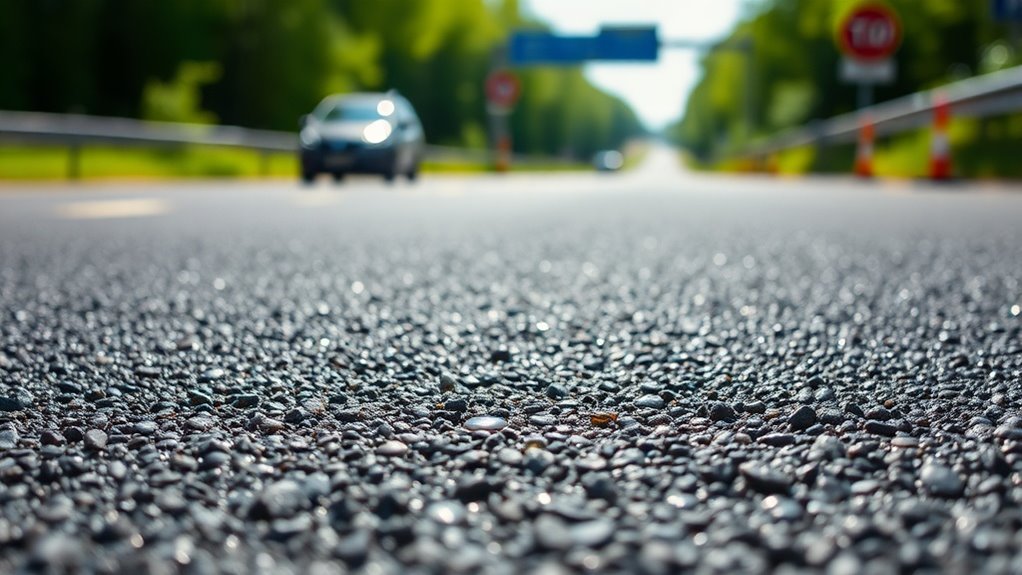
Surface texture is crucial for the performance and safety of SMA tarmac, particularly for skid resistance and water drainage. The specific properties of SMA ensure enhanced safety features, providing optimal driving conditions.
- The typical texture depth for 10mm SMA ranges from 1.1 mm to 1.5 mm.
- High skid resistance is beneficial in both wet and dry conditions, improving safety during manoeuvres.
- Initial surface treatments using coarse aggregates increase early skid resistance.
- Adequate texture depth facilitates effective water drainage, minimising the risk of aquaplaning.
These features ensure that SMA tarmac retains its skid resistance over time, even as the texture wears down due to traffic.
The combination of surface texture and durability ultimately leads to safer roads for everyone.
Applications and Suitability
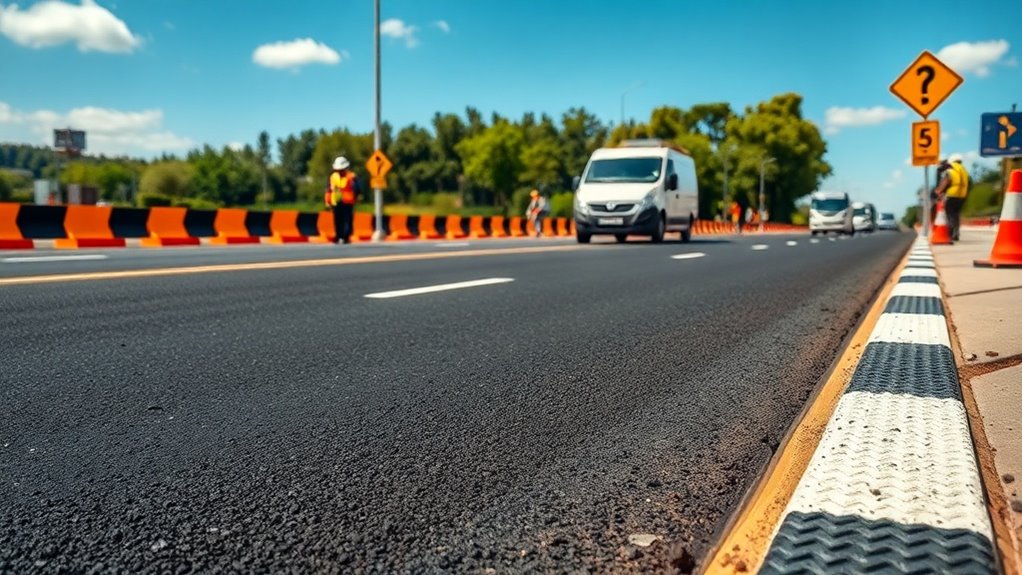
When considering SMA tarmac for heavy traffic areas, it proves highly effective in both urban and suburban settings.
Its strength and resistance to ruts make it suitable for busy motorways, lorry lanes, and junctions that bear heavy loads.
Moreover, its versatility ensures it can handle various traffic conditions and weather challenges with ease.
Heavy Traffic Environments
Heavy traffic environments require durable pavement solutions, and Stone Mastic Asphalt (SMA) is an excellent choice due to its outstanding performance.
Its unique make-up ensures smooth traffic flow, making it suitable for busy roads.
Here are some key benefits:
- Exceptional resistance to rutting, leading to lower maintenance costs over time.
- Lasts 3 to 5 times longer than standard asphalt, reducing the need for repairs.
- Particularly effective in high-stress areas, such as bus stops and lorry yards.
- Offers improved skid resistance, enhancing safety on fast roads.
Urban and Suburban Use
Stone Mastic Asphalt (SMA) is an excellent choice for urban and suburban areas due to its outstanding performance.
Its high skid resistance improves safety, especially at busy intersections and pedestrian crossings. SMA’s ability to withstand deformation and rutting ensures durability against the constant turning and braking of city traffic.
Moreover, it helps reduce noise, which is crucial for keeping residential areas peaceful. The dense surface also prevents water penetration, helping to minimise potholes and surface damage.
With its long-lasting nature, SMA reduces the need for frequent maintenance, making it ideal for service roads, residential streets, and parking areas. Additionally, SMA’s low maintenance requirements contribute to its appeal in urban settings, ensuring that it remains functional and visually appealing over time.
Benefits Over Traditional Asphalt and Tarmac
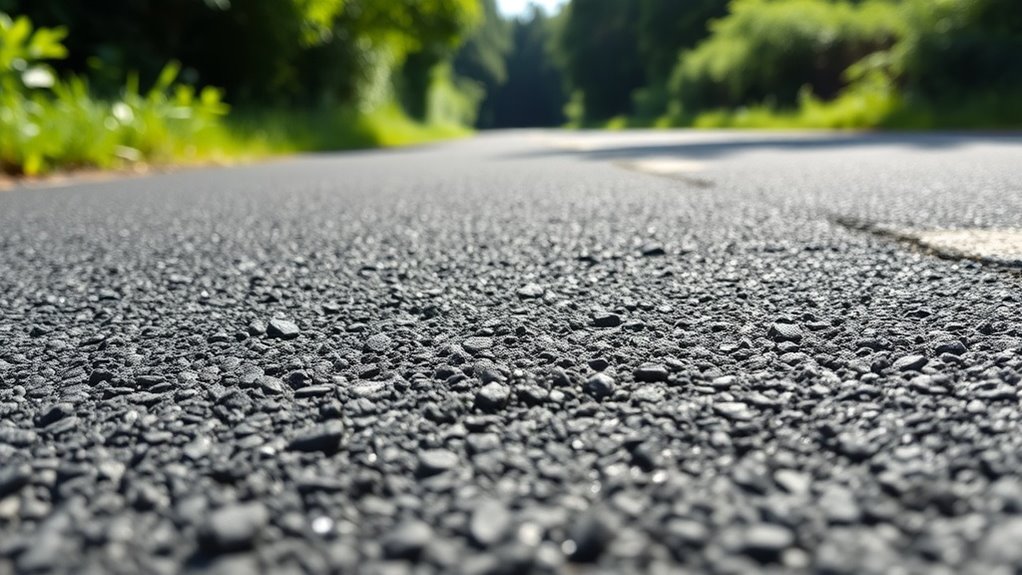
Stone Mastic Asphalt (SMA) offers clear advantages over traditional asphalt and tarmac for paving roads.
Its unique composition and installation techniques provide:
- Greater durability due to a high proportion of coarse aggregates and binder.
- Better resistance to damage from traffic, reducing issues like rutting and deformation.
- Enhanced skid resistance and noise reduction for improved safety for both drivers and pedestrians.
- Lower maintenance needs, which translates to reduced long-term costs.
These benefits mean that SMA outperforms conventional materials, ensuring long-lasting results for various paving projects.
Opting for SMA is a smart investment in a more reliable, efficient, and safe road surface.
Advances and Modifications in SMA Tarmac

As materials science advances, Stone Mastic Asphalt (SMA) is embracing new technologies to boost its performance and sustainability. Notable developments include self-healing technologies like induction heating and microcapsules that release rejuvenators when cracks occur. These innovations help seal cracks, prolonging the lifespan of roads and reducing maintenance requirements.
| Technology Type | Benefits |
|---|---|
| Induction Heating | Softens bitumen for on-site crack repair |
| Microcapsules | Restores flexibility and cohesion in aged bitumen |
| Sustainable Aggregates | Improve mechanical properties and support recycling |
These advancements make SMA a more reliable and eco-friendly choice for road construction and maintenance.
Environmental Considerations
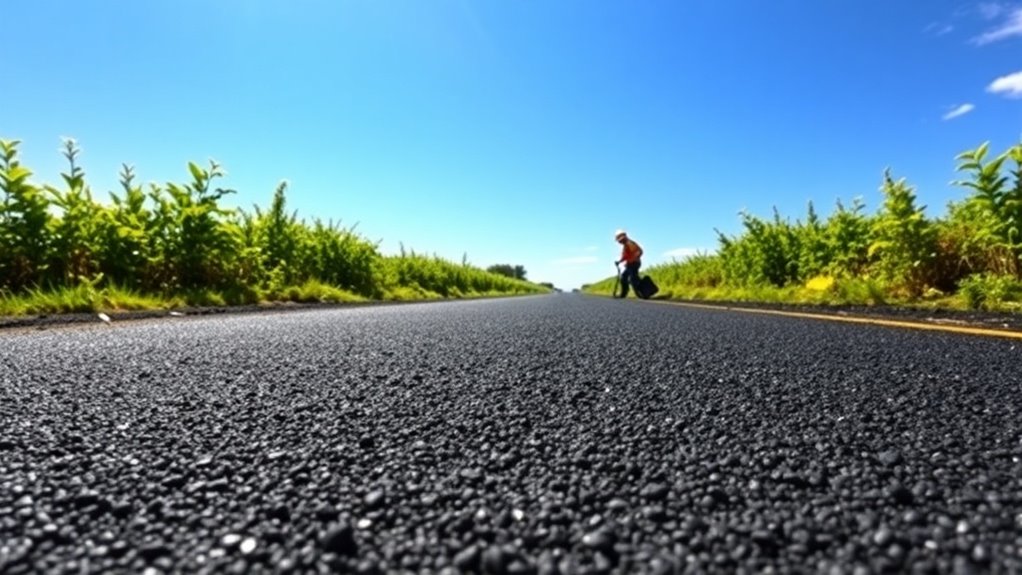
Here are the main advantages:
- Warm mix asphalts reduce carbon emissions; for instance, Tarmac estimates a saving of 21,000 tonnes of CO2 each year.
- SMA has a longer lifespan, which means less frequent maintenance, resulting in fewer traffic delays and lower emissions.
- The use of recycled materials, such as granulated rubber, decreases the need for new raw materials and reduces landfill waste.
- SMA surfaces effectively lower noise pollution, benefiting the quality of life for local communities.
- Additionally, the enhanced drainage capabilities of permeable tarmac surfaces contribute to sustainable urban development by managing stormwater efficiently.
These factors together lead to a reduced carbon footprint and improved environmental safety, making SMA an appealing option for modern road surfacing.
Cost-Effectiveness and Longevity
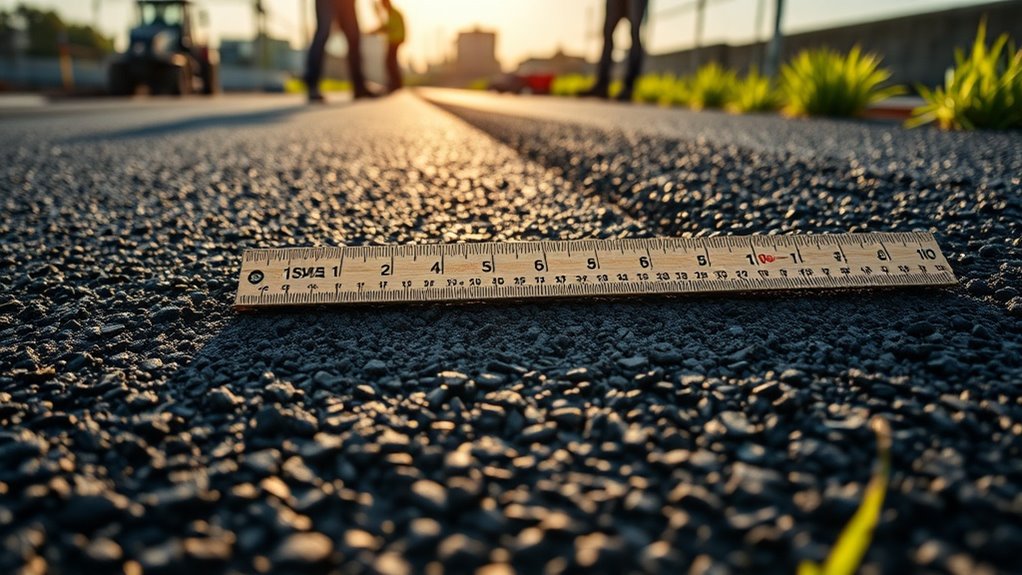
Cost-effectiveness and longevity are key considerations when assessing Stone Mastic Asphalt (SMA) for road construction and maintenance. Although SMA typically costs between 9% and 61% more than standard asphalt mixes, its lifespan—reaching up to 23 years—can make it a worthwhile investment in the long run.
For example, in regions like Virginia, the benefits over the life of the material often justify the higher upfront costs.
However, budget constraints play a significant role; states such as Michigan find SMA less cost-effective because its initial expenses can outweigh the advantages of its durability.
Ultimately, the choice depends on local conditions, ongoing maintenance costs, and expected service life, making it crucial to conduct a thorough life-cycle cost analysis to evaluate SMA’s financial viability for your projects.
Future Trends in SMA Tarmac Technology

What innovations are shaping the future of Stone Mastic Asphalt (SMA) technology? The use of nanoparticles and smart pavements is transforming SMA’s performance and sustainability.
Here are some key trends to watch:
- Nanoparticle integration: This enhances strength and flexibility, leading to longer-lasting surfaces and reduced maintenance.
- Smart pavements: By embedding IoT sensors, we can monitor road conditions in real-time, identifying problems before they worsen.
- Rubber modified SMA: Incorporating recycled tyre materials helps cut down on landfill waste and lowers emissions.
- Permeable designs: These assist in stormwater management, supporting climate-resilient urban planning.
These advancements not only boost durability and cut costs but also promote a greener approach to road construction.
Expect to see these technologies gaining popularity by 2025.
Frequently Asked Questions
How Is SMA Tarmac Different From Other Asphalt Mixes?
Picture a robust surface beneath your wheels; SMA tarmac’s high coarse aggregate content provides exceptional strength and durability. When compared to standard asphalt mixes, SMA stands out for its superior resistance to deformation, reduced noise levels, and longer lifespan.
What Are the Maintenance Requirements for SMA Tarmac Surfaces?
Regular maintenance of SMA tarmac surfaces is essential. Clean the surface regularly, check for any damage, and carry out repairs promptly. It’s advisable to schedule maintenance every 3 to 5 years for sealants to ensure the surface remains durable and performs well. For instance, if you notice cracks or wear, addressing them quickly can prevent more extensive repairs later on.
Can SMA Tarmac Be Recycled?
Yes, SMA tarmac can be recycled effectively. Using recycled materials not only helps the environment by reducing landfill waste but also maintains the performance standards required for construction. This practice supports sustainability and promotes a circular economy in building projects. For instance, incorporating reclaimed asphalt can lead to significant cost savings while still delivering a high-quality surface.
How Does Weather Affect SMA Tarmac Installation?
Weather conditions have a significant impact on SMA tarmac installation. Temperature is crucial; ideal ranges ensure proper compaction and adhesion. For instance, if it’s too cold or excessively hot, the durability of the tarmac can be compromised. Additionally, moisture and wind can interfere with the curing process, affecting the overall quality of the installation. It’s vital to consider these factors to achieve the best results.
What Are the Typical Lifespan Expectations for SMA Tarmac?
Not all asphalt is created equal. SMA tarmac, for instance, typically has a lifespan of 15 to 20 years. Factors such as installation quality play a significant role, and SMA often outperforms standard surfaces, leading to fewer repairs needed over time. This makes it a reliable choice for roads and driveways alike.
Conclusion
In summary, SMA tarmac is an advanced solution for today’s paving requirements, known for its outstanding durability and safety features. Its distinctive properties create a robust surface that minimises long-term maintenance and ensures a smoother driving experience. Choosing SMA tarmac not only improves our infrastructure but also shows a commitment to sustainability and innovation. Looking ahead, the ongoing advancements in SMA tarmac hold the promise of enhancing our roads, leading to safer and more efficient travel for everyone.

Are you planning to resurface your driveway? Tarmac is a popular choice, but how much does it cost per square Read more
Choosing the right material for your driveway is a crucial decision that can have a significant impact on your home's Read more

The importance of permeability in construction has become increasingly recognised in recent years due to growing concerns over the impact Read more