Can You Lay Resin on Concrete in Nottingham?
Yes, you can lay resin on concrete in Nottingham, as long as the surface is clean, dry, and well-prepared. Ensure the concrete is structurally sound and has cured properly. You can choose between resin bound or bonded systems depending on your requirements, and it’s important to follow the correct installation process for optimal results. Familiarise yourself with the benefits and considerations before starting. If you’re interested in costs and local installers, there’s plenty of information available to help ensure a successful resin installation.
Key Takeaways
Yes, you can lay resin on concrete in Nottingham, provided the concrete is clean, dry, and in good condition. It’s advisable to have a professional survey the concrete to check for any structural issues before you start.
Proper surface preparation is essential for the resin to adhere well, so make sure to clean and prime the surface beforehand. You’ll need to decide between a resin bound system, which is more decorative, or a resin bonded system, which offers better durability.
For installation, local experts like Armoured Drives and Nottingham Resin Drives can help ensure the work meets UK standards.
Understanding the Feasibility of Laying Resin on Concrete
Laying resin on concrete is quite feasible, but it largely depends on the type of concrete and its surface condition. For the best results, ensure the concrete is clean, dry, and free from cracks, grease, and debris. The resin needs a non-porous surface, so using a primer can improve adhesion. If any repairs are needed, allow at least 14 days for the concrete to cure before applying the resin. Additionally, it’s important to ensure proper drainage to meet SUDS regulations and avoid moisture issues. The installation involves mixing the resin components and spreading the mixture evenly over the prepared surface. By following these steps, you can achieve a durable, slip-resistant finish that can last over ten years, performing well in various conditions. A well-prepared base is vital for preventing cracks and ensuring longevity, while maintaining proper drainage conditions is essential to avoid dampness that can lead to moss growth.
Importance of Professional Survey for Concrete Condition
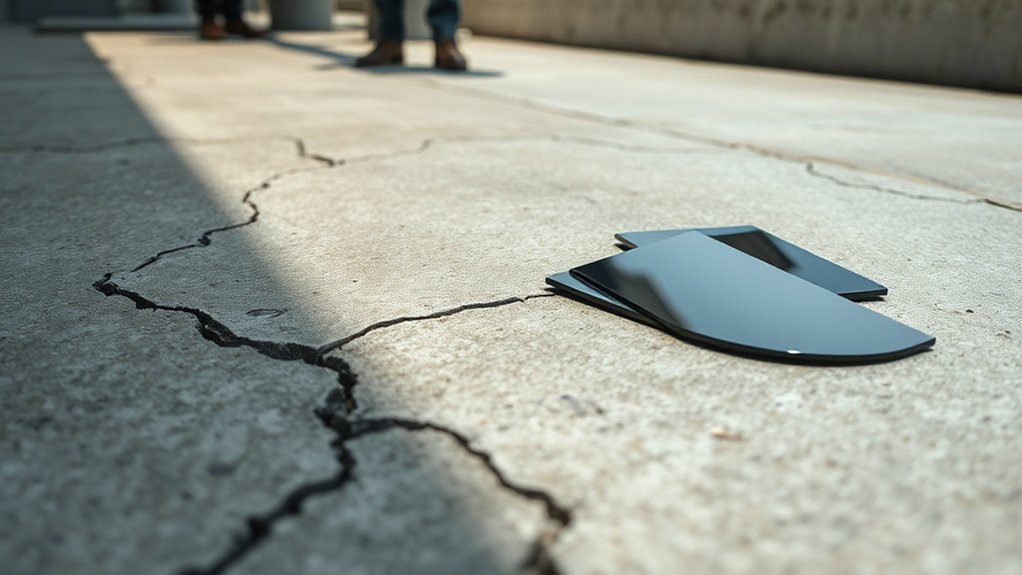
Before applying resin, it’s essential to conduct a professional survey to evaluate the concrete’s structural integrity. This assessment helps identify any defects that could hinder proper bonding, ensuring the resin adheres effectively and performs as expected. For instance, if there are cracks or moisture issues, they could lead to problems down the line. Additionally, assessing concrete durability requirements ensures that the surface is suitable for resin application and can withstand environmental factors that may accelerate degradation. A thorough evaluation can also reveal potential drainage issues that may arise if the concrete surface is not properly prepared.
Assessing Structural Integrity
When planning to apply resin on concrete surfaces, it’s crucial to have a professional structural survey to assess the condition of the concrete. A thorough assessment will identify any load-bearing issues or defects that might worsen with rigid resins. Additionally, understanding the proper subbase preparation is essential, as it can significantly impact the durability and performance of the resin application.
These surveys often adhere to local regulations and warranty requirements, helping you avoid future legal or insurance complications. Key factors evaluated include the surface condition, subsurface integrity, and moisture levels, all of which significantly affect resin adhesion. Non-destructive testing methods, such as ground-penetrating radar and ultrasonic pulse velocity, can help detect potential problems early on, ensuring that NDT techniques enhance the overall safety and longevity of the concrete structure.
Ensuring Proper Bonding
Understanding the condition of the concrete is crucial for successful resin application. Start with a professional survey to check moisture levels and surface integrity. This should include visual inspections to note any visible defects, such as cracks and stains, along with their severity.
Non-destructive testing (NDT) methods, like rebound hammer tests and thermal imaging, can help identify internal flaws that may affect bonding. In some cases, targeted destructive tests, such as core sampling, are necessary to confirm your findings.
Controlling moisture is vital; high levels can weaken adhesion. Additionally, thorough surface preparation is essential—remove any contaminants and document previous repairs to ensure a strong resin bond.
Types of Resin Systems Available for Concrete Surfaces
When selecting resin systems for concrete surfaces, you’ll come across two main options: resin bound and resin bonded.
Each type is designed for specific applications and has its own installation requirements, which can affect durability, appearance, and suitability for different settings.
For instance, resin bound surfaces are ideal for driveways due to their permeability, while resin bonded systems work well for pathways where added grip is needed.
Understanding these differences will enable you to make a well-informed decision for your project.
Resin Bound Systems
Resin bound systems provide a range of resin types suitable for various concrete surface applications, ensuring both performance and visual appeal.
Choosing the right resin is crucial for achieving durability and aesthetics. Here are some key options:
- Polyurethane (PU) binders: Perfect for outdoor surfaces, they offer flexibility and UV stability.
- Epoxy-based binders: Known for their high strength and chemical resistance, making them ideal for heavy-duty uses.
- Hybrid resins: These combine the flexibility of PU with the strength of epoxy, resulting in enhanced durability.
- Cold-applied formulations: These allow for on-site mixing, eliminating the need for hot works, which can be a hassle.
The selection of aggregate is also vital, as it influences both the look and functionality of your concrete surfaces.
Resin Bonded Options
When considering ways to enhance concrete surfaces, resin bonded systems offer a distinctive approach. This method involves applying a coat of resin to a prepared base, followed by scattering loose aggregates.
The outcome is a textured, non-permeable surface featuring small gaps, which provides excellent grip and durability. Unlike resin bound systems, resin bonded options create a rougher finish that resembles loose gravel, adding aesthetic charm to historical or heritage sites.
With enhanced slip resistance, these surfaces are particularly suitable for ramps and areas prone to frost. Moreover, this traditional look is more cost-effective than resin bound systems, making it a sensible choice for improving both functionality and appearance in your concrete surfaces.
Installation Considerations
Choosing the right resin system for your concrete surface is crucial for optimal performance and longevity. Each system has its own advantages, so it’s important to consider factors like durability and environmental impact.
Here are a few options to consider:
- Resin bound systems: These create porous surfaces that comply with Sustainable Urban Drainage Systems (SUDS).
- Epoxy-based surfacing: Best suited for heavy-duty use and offers good chemical resistance.
- Polyurethane binders: These are flexible and UV-stable, making them ideal for surfaces that may experience slight movement.
- MMA wearing coats: These fast-curing options allow for quick re-opening after installation.
Before you start, ensure the surface is clean and structurally sound, and check the moisture content to prevent bond failure.
Picking the right system will enhance durability and lessen environmental impact, ensuring a long-lasting resin surface.
Installation Process for Resin Over Concrete
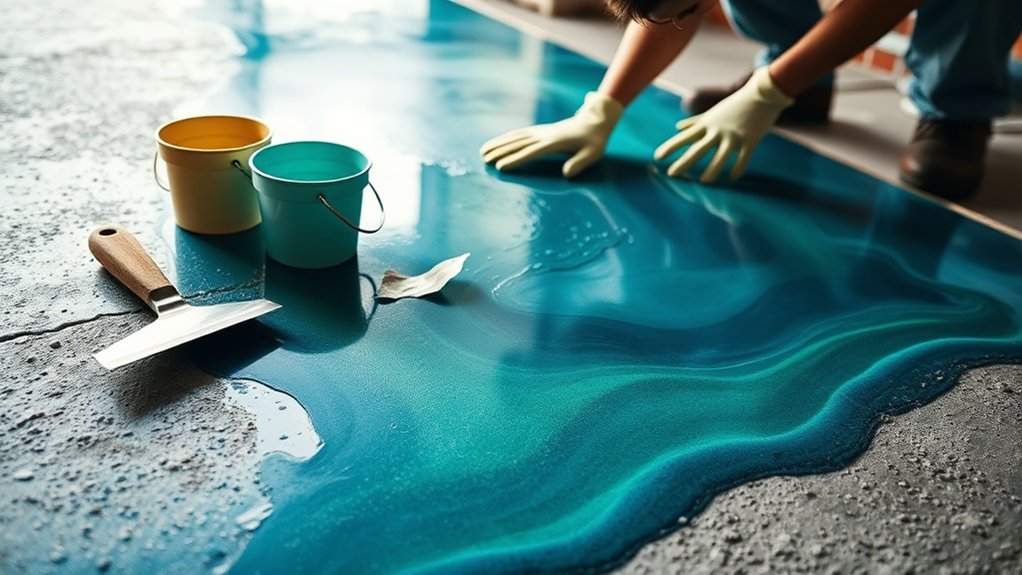
Before starting the installation of resin over concrete, ensure the concrete base is solid and stable. Check for any damage or instability and remove any loose surfacing.
If needed, lay a geotextile membrane and a reinforcement grid for added support. Next, add a gravel layer to facilitate drainage.
Mix the resin with aggregates and pour it onto the gravel at a rate of 20 square metres per hour, ensuring even coverage. Level the surface immediately to avoid air bubbles and puddles.
Finally, allow the surface to cure for 24 hours before use. Following these steps will provide a durable, low-maintenance finish that works well with concrete structures.
Key Benefits of Using Resin on Concrete
Applying resin over concrete not only upgrades the surface but also offers several key benefits. Here’s what you can expect:
- Durability: It resists cracking, chipping, and wear, making it capable of supporting heavy loads.
- Permeability: It effectively manages surface water runoff, helping to reduce the risk of flooding.
- Low Maintenance: It requires minimal upkeep, is easy to clean, and resists stains and spills.
- Aesthetic Appeal: Available in a range of colours and patterns, it significantly enhances the appearance of your property.
These advantages make resin a cost-effective choice that avoids the need for costly demolition while providing a lasting, attractive finish.
With proper installation, you can enjoy a beautiful and durable surface for years, ensuring your investment remains worthwhile.
Considerations Before Proceeding With Resin Installation
When considering resin installation over concrete, it’s essential to ensure the surface meets specific requirements for optimal performance. Proper preparation is key to achieving strong adhesion, enhancing long-term durability, and reducing environmental impact.
| Consideration | Details |
|---|---|
| Concrete Curing | The concrete must reach 70% strength; consult an engineer for guidance. |
| Surface Cleanliness | All contaminants should be removed; pressure wash and vacuum shot blast the area. |
| Structural Integrity | A minimum compressive strength of 25 MPa (3626 psi) is required. |
| Mechanical Profile | Achieve a Concrete Surface Profile (CSP) of 1, 2, or 3 for optimal adhesion. |
| Moisture Testing | Test for moisture transmission; priming is crucial for dense slabs. |
Cost Factors Involved in Resin Installation
Understanding the cost factors for resin installation is crucial for effective budgeting. Here’s a straightforward breakdown:
- Material Costs: Expect to pay between £40 and £130 per m², depending on the type of resin chosen.
- Labour Costs: This typically ranges from £20 to £50 per m², varying with the size of the project.
- Surface Preparation: Additional costs of £5 to £30 per m² may apply, influenced by the preparation method used.
- Additional Features: Items such as edging and underfloor heating will raise the overall cost.
When planning your budget, remember that larger areas and more intricate designs will require more materials and labour, thus increasing costs.
Local Installers in Nottingham for Resin Projects
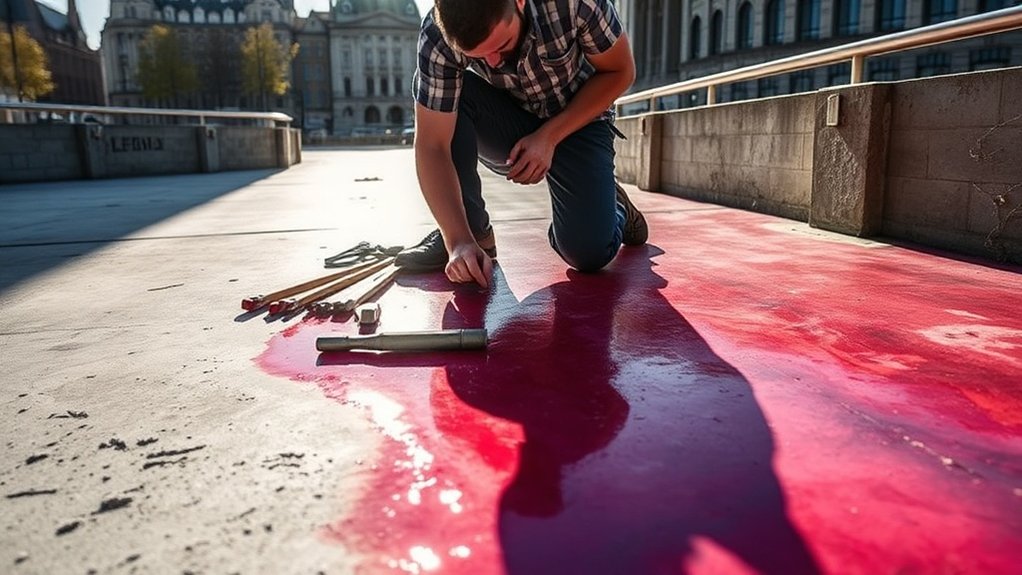
Selecting the right local installers for your resin projects in Nottingham is crucial for achieving a high-quality and durable finish.
Companies such as Armoured Drives and Nottingham Resin Drives are specialists in resin installation, offering various options for driveways, patios, and pathways. They utilise local knowledge to ensure compliance with UK regulations and effective drainage solutions.
Oakleigh Resin provides customised options, allowing you to choose your preferred colours and patterns while upholding excellent workmanship standards.
With over 16 years in the industry, Resin Driveway Nottingham promises reliable service and meticulous attention to detail.
Maintenance Tips for Resin Surfaces on Concrete
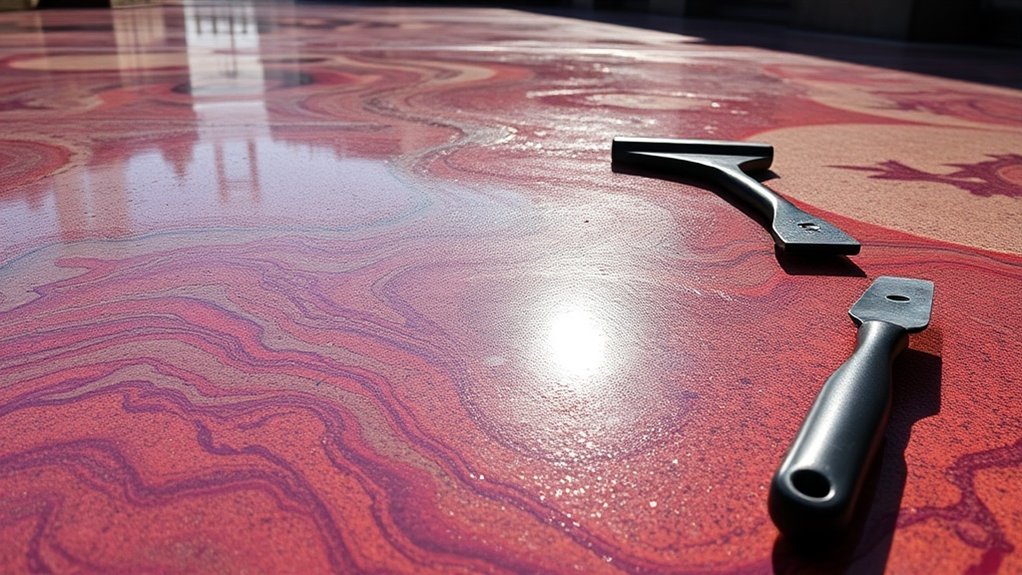
To keep your resin surfaces on concrete in good shape, regular maintenance is crucial. This helps ensure both durability and a pleasing appearance.
Here are some essential care tips:
- Sweep regularly with a stiff broom to clear away debris.
- Use a garden hose or a mild pH-neutral detergent for gentle cleaning.
- Apply biodegradable treatments to manage weeds and moss.
- Clean up spills promptly to avoid staining.
Frequently Asked Questions
How Long Does Resin Last on Concrete Surfaces?
Resin on concrete surfaces generally lasts between 15 to 30 years, depending on how well it is installed and maintained. Regular upkeep of the concrete can significantly extend the life of the resin, helping it stay in good condition for many years.
Can Resin Be Applied in Winter or Rainy Weather?
Yes, you can apply resin in winter or rainy weather, but it can be tricky due to curing issues. Aim for dry conditions and avoid low temperatures to ensure a strong bond and a durable finish. For instance, if it’s drizzling or particularly cold, it’s best to wait for a clearer day.
Is Resin Installation Environmentally Friendly?
Yes, resin installation is environmentally friendly. It uses sustainable materials and practices that minimise waste and energy use, while also being durable. This method supports green infrastructure and complies with current environmental regulations. For instance, using recycled materials in resin can significantly reduce the carbon footprint of your project.
Will Resin Change Color Over Time?
Yes, resin can fade over time. Without UV protection, it can yellow quickly when exposed to sunlight. Higher quality resins are more resistant to this change, while cheaper options tend to lose their vibrancy faster. For instance, if you’re using resin for a garden ornament, opting for a premium brand will help keep its bright colours longer. Choose wisely to reduce fading!
Can I Walk on the Resin Immediately After Installation?
You cannot walk on the resin immediately after installation. For safety reasons, wait until it reaches initial hardness, which usually takes several hours. This helps prevent any permanent marks or damage. Always adhere to the specific guidelines provided by your installer regarding foot traffic.
Conclusion
In summary, laying resin on concrete in Nottingham can enhance your surfaces significantly, but it’s important to assess the condition of your concrete first. The choice of resin system and installer is crucial for achieving the desired durability and appearance. Take the time to weigh the benefits and costs carefully. With the right decisions, you can elevate your concrete surfaces effectively. Are you ready to transform your space?
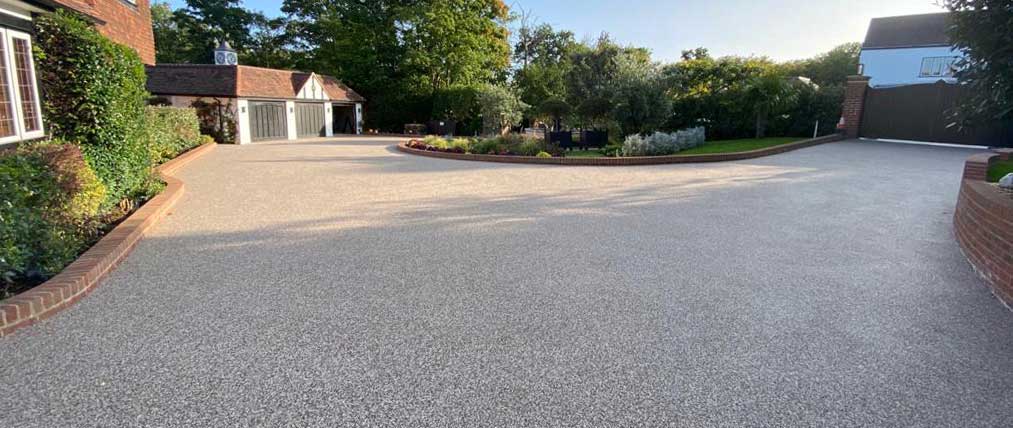
{What is the Average Life Expectancy of a Resin Bound Driveway in Nottingham?|How long does a resin bound driveway last Read more

Is a resin driveway the perfect solution for Nottinghamshire's clay soil? Discover how it could transform your outdoor space.

How thick should a resin driveway be in Nottingham? Discover the essential thickness for durability and weight management before making Read more