
How Much Weight Can a Driveway Hold?

Welcome to Nottinghamshire Driveways, where we provide top-quality driveway installations for homeowners in Nottinghamshire. One important consideration when it comes to driveways is their weight capacity. After all, you want to ensure that your driveway can withstand the weight of vehicles that will be parked or driven on it.
The weight capacity of a driveway depends on various factors, including the type of material it is made from and its thickness. Different driveway materials have different load-bearing capabilities, so it’s essential to choose the ideal solution for your needs.
Whether you’re considering concrete, asphalt, or other options, our team of experienced driveway installers can help you make an informed decision. We understand the importance of durability and longevity when it comes to your driveway, and we’ll ensure that it is built to handle the weight it will encounter.
Stay tuned as we explore the differences between concrete and asphalt driveways in our next section.
We’ll dive into the cost, longevity, maintenance, and appearance of each material, so you can make the best choice for your home.
In the meantime, take a look at our website Nottinghamshire Driveways to learn more about our services and see examples of our previous work.
We’re here to provide you with the highest quality and most reliable driveway installations in the industry.

Concrete vs. Asphalt: Which is Better for Driveways?
When it comes to choosing the material for your driveway, two popular options are concrete and asphalt. Each material has its own advantages and considerations to keep in mind.
Cost
In terms of initial cost, asphalt driveways are generally more affordable than concrete driveways. Asphalt is made from a mixture of aggregates and bitumen, which makes it easier and less expensive to produce. On the other hand, concrete driveways require the use of cement, sand, aggregates, and water, which can make them pricier to install.
Longevity
Concrete driveways are known for their durability and longevity. With proper installation and maintenance, a well-built concrete driveway can last for decades. Asphalt driveways, while also durable, typically have a shorter lifespan and may require resurfacing or repair after around 15 to 20 years.
Maintenance
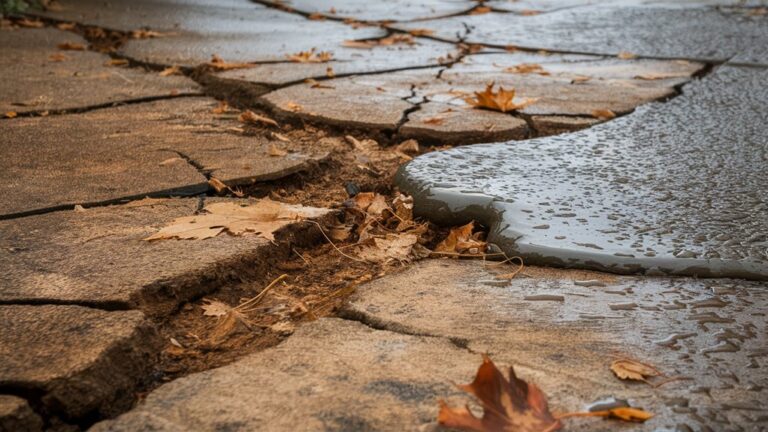
Both concrete and asphalt driveways require regular maintenance to keep them in good condition. Concrete driveways may develop cracks over time, which can be repaired with sealants to prevent water damage and further deterioration. Asphalt driveways may develop cracks as well, but they can be easily filled and sealed. Additionally, both types of driveways should be regularly cleaned and swept to remove dirt, debris, and stains.
Appearance and Temperature
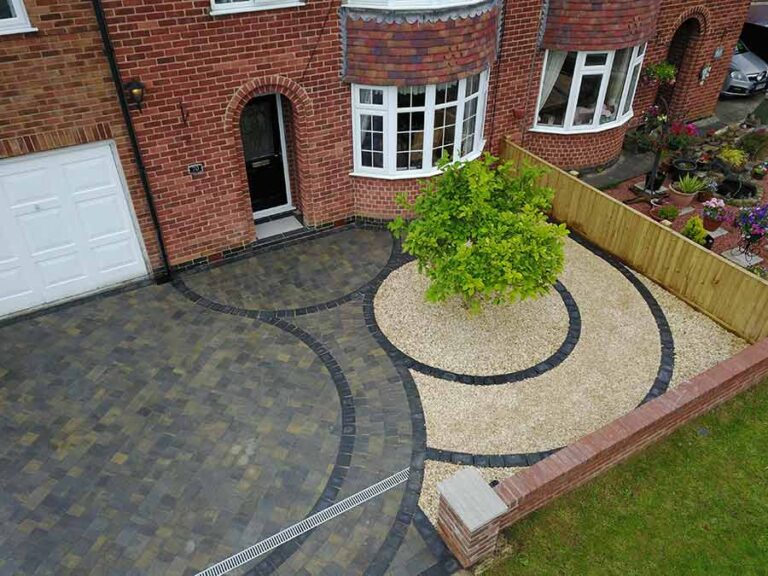
Concrete driveways offer more versatility when it comes to appearance. They can be customised with various patterns, colors, and finishes to complement the overall aesthetic of your home. Asphalt driveways, on the other hand, have a more traditional black appearance. It is also worth noting that asphalt driveways can become hotter than concrete driveways during hot weather due to their darker colour.
| Concrete Driveway | Asphalt Driveway |
|---|---|
| Initial Cost | Affordable |
| Longevity | Long-lasting (with proper maintenance) |
| Maintenance | May develop cracks, require sealants |
| Appearance | Customisable |
| Temperature | Cooler during hot weather |
How to Protect and Maintain Your Driveway
Proper maintenance is essential to ensure the longevity and durability of your driveway. By taking proactive steps to protect your driveway, you can avoid damage caused by poor installation, heavy loads, and environmental factors. Here are some valuable maintenance tips to keep your driveway in excellent condition:
Regular Sealcoating:
Sealcoating your driveway is an effective way to protect it from various elements, including road salts and water damage. This process involves applying a protective layer to the surface of your driveway, sealing any cracks and reducing the risk of water penetration. It not only enhances the appearance of your driveway but also extends its lifespan.
Watch out for Tree Roots:
Tree roots can pose a threat to your driveway, as they have the potential to crack and uplift the surface. Regularly inspect your driveway for any signs of root growth, such as uneven surfaces or cracks. If you notice any issues, consult with a professional to address the problem promptly and minimize further damage.

Avoid Heavy Loads:
Excessive weight on your driveway can lead to structural damage and premature deterioration.
Avoid parking or driving heavy vehicles on your driveway, especially if it is made from materials like concrete or asphalt.
If heavy loads are unavoidable, consider distributing the weight by placing plywood or boards under the tires to reduce the pressure on the surface.
Regular Cleaning:
To maintain the appearance and condition of your driveway, it’s important to keep it clean. Sweep away debris regularly, and use a pressure washer to remove stubborn stains. Avoid using harsh chemicals that can damage the surface, and instead opt for mild detergents specifically designed for driveway cleaning.
| Driveway Maintenance Tips |
|---|
| Regular sealcoating to protect against road salts and water damage. |
| Inspect for tree roots and address any issues promptly. |
| Avoid parking or driving heavy loads on the driveway. |
| Regularly sweep and clean the driveway to maintain its condition. |
By following these maintenance tips, you can ensure the longevity and durability of your driveway. Regular sealcoating, addressing tree root issues, avoiding heavy loads, and regular cleaning are all key factors in protecting your driveway from damage and preserving its appearance for years to come.
Conclusion
When it comes to determining the weight capacity of a driveway, factors such as the material, thickness, and regular maintenance play a crucial role. Concrete and asphalt driveways are commonly used and can typically hold around 8,000 pounds when poured to a thickness of 4 inches.
Concrete driveways offer several advantages, including durability and longevity. They can withstand heavy loads and are resistant to damage from road salts and water. However, they may require periodic sealcoating and can be affected by extreme temperature changes.
On the other hand, asphalt driveways are more affordable and easier to repair. They have a smooth, attractive appearance and are less prone to cracking from temperature fluctuations. However, they may need more frequent maintenance, including sealcoating and regular repairs to prevent water damage and the intrusion of tree roots.
To ensure the longevity of your driveway, regardless of the material you choose, regular maintenance is key. Avoid heavy loads and be mindful of the weight capacity of your driveway. Implement measures such as sealcoating to protect against water damage and the use of road salts during icy conditions. Additionally, be proactive in inspecting and repairing any cracks or damage to avoid further deterioration.
By considering these factors, comparing materials, and implementing proper maintenance techniques, you can enjoy a durable and functional driveway for years to come.
For more information you can visit our website and contact us today on 07595 510190 to receive a free quote.
Source Links
- https://homedecorbliss.com/how-much-weight-driveway-hold/
- https://arockasphalt.com/how-much-weight-can-a-residential-asphalt-driveway-hold/
- https://yardblogger.com/how-much-weight-can-a-driveway-hold/

'Home is where the heart is,'and a driveway serves as the welcoming path to that cherished abode. As homeowners, we Read more

Are you tired of driving over potholes and uneven surfaces every time you enter your driveway? It's time to pave Read more

Imagine driving down a smooth, pristine road, your tires gliding effortlessly along the pavement. Now, picture the jarring experience of Read more