How Colour Choice Impacts Durability
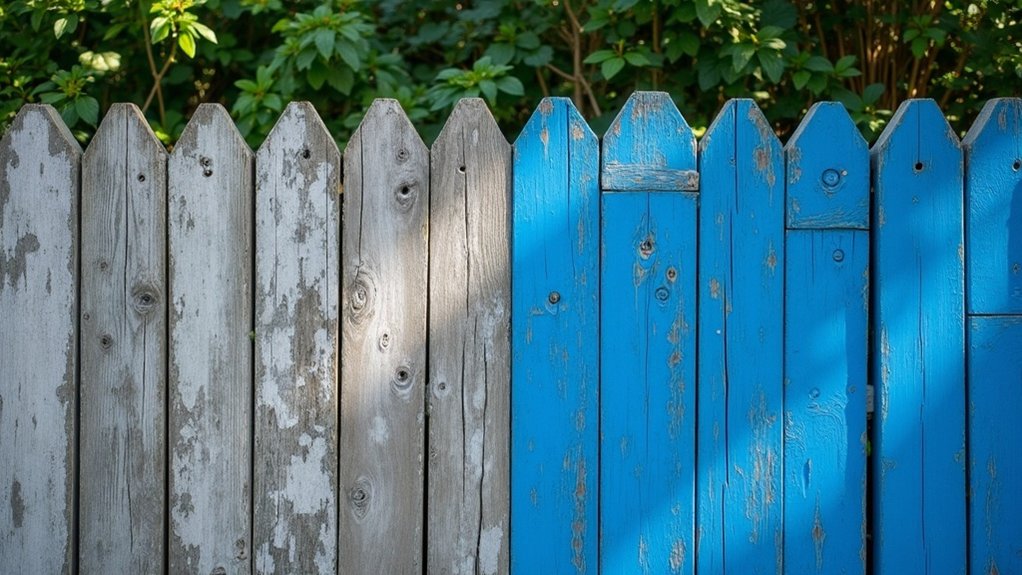
The colour you choose significantly affects the durability of products. Shades with a high Light Reflectance Value (LRV) reflect more sunlight, which helps to reduce heat absorption and extends the lifespan of the colour. In contrast, darker shades tend to absorb more light, leading to faster fading.
For example, if you’re choosing paint for an outdoor project, opting for lighter colours can help maintain its appearance longer. In plastics, using compatible colourants can enhance mechanical strength, while inorganic pigments can improve overall durability.
Environmental factors, such as UV exposure, also play a vital role in how colours hold up over time. By understanding these aspects, you can select colours that will keep your products looking their best for longer.
Key Takeaways
- The choice of colour can influence the lifespan of a product, as some colours are more prone to fading due to factors like UV exposure and temperature variations.
- Dark colours with a low Light Reflectance Value (LRV) tend to absorb more light, resulting in faster fading compared to lighter shades with a high LRV.
- Using high-quality pigments can improve colour durability, helping to prevent degradation and maintain the product’s visual appeal.
- The compatibility of colourants in materials such as plastics can affect their mechanical strength and overall resistance, which in turn impacts durability.
- Employing proper curing and finishing techniques in composites can help reduce the risk of discolouration and extend the life of the chosen colour.
The Role of Color Durability in Product Lifespan
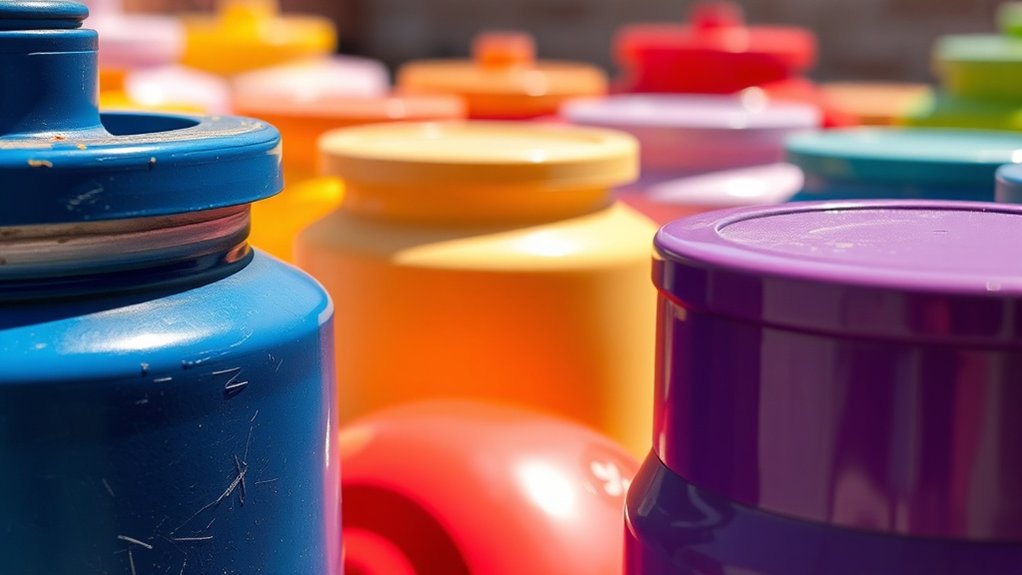
While colour durability might seem like a minor detail in product design, it significantly impacts a product’s overall lifespan.
Colour fading can occur due to environmental factors such as UV exposure, humidity, and temperature changes, which can affect how consumers perceive a product. Noticeable colour shifts can indicate ageing or spoilage, even if the product still functions perfectly. When customers see fading, they often associate it with poor quality, which can reduce acceptance and satisfaction. To combat this, manufacturers use high-quality pigments and careful formulations to enhance colour stability, minimising the risk of degradation.
Prioritising colour durability not only extends the life of the product but also helps maintain the brand’s reputation. Natural dyes have been used historically for textiles and goods, and their modern equivalents can provide both aesthetic appeal and durability. A product’s aesthetic appeal relies heavily on its colour integrity, making durability a crucial factor in design and consumer satisfaction.
Light Reflectance Value (LRV) and Its Influence on Color Longevity
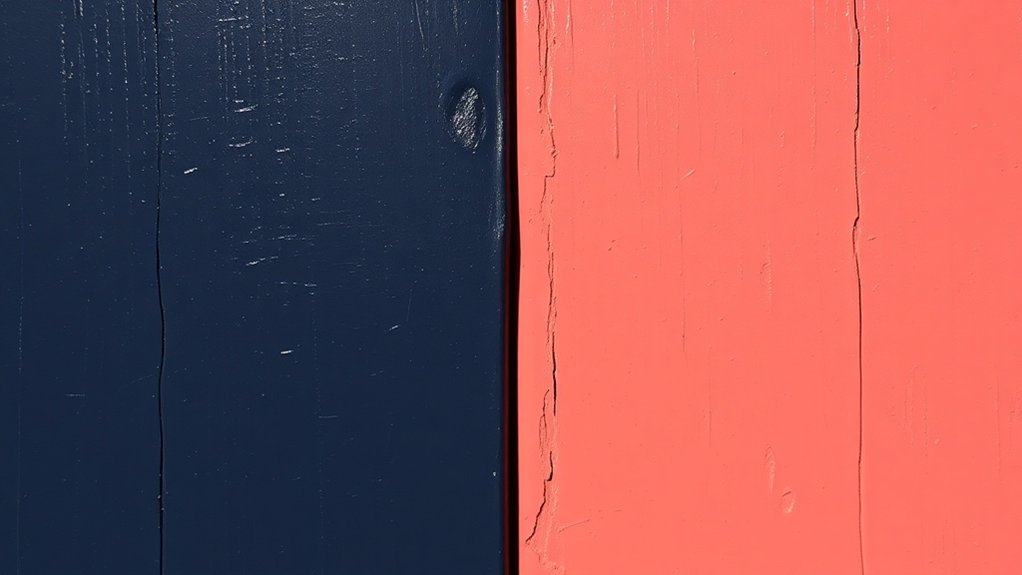
Colour durability is significantly influenced by the Light Reflectance Value (LRV), which measures how much light a surface reflects. A higher LRV indicates a colour’s ability to reflect rather than absorb light.
For example, dark colours with a low LRV absorb more light, leading to increased UV exposure and quicker fading. In contrast, lighter colours with a higher LRV reflect more sunlight, helping to maintain their appearance over time.
Choosing shades with an LRV of 60 or above can greatly reduce heat absorption, which lessens wear on materials and extends their lifespan. Furthermore, paint finish plays a crucial role in determining how light is reflected and perceived, affecting the overall durability of the chosen colour.
Understanding the link between LRV and light absorption is crucial for achieving both aesthetic appeal and lasting durability in your colour selections.
Effects of Colorants on the Properties of Plastics
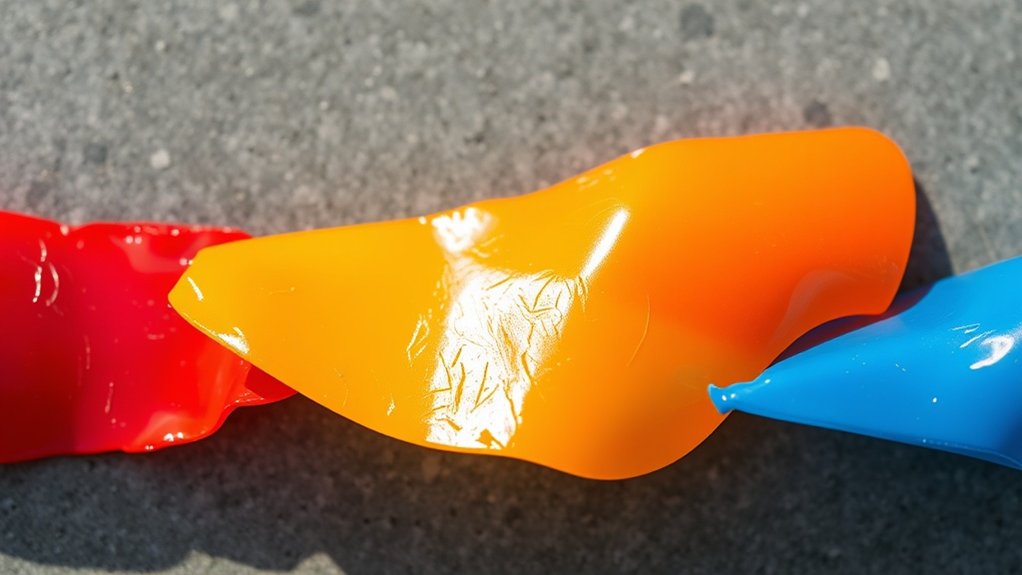
When choosing colourants for plastics, it’s essential to understand how they interact with the properties of the polymer to ensure optimal performance and durability. The compatibility of colourants can significantly affect mechanical strength and resistance; some may enhance performance, while others could compromise the integrity of polymer chains. Conducting compatibility tests before production is vital to ensure that colourants blend well without degrading the material’s properties. Additionally, the compatibility between colorant and polymer can lead to significant performance issues if not properly addressed.
| Type of Colourant | Effect on Polymer |
|---|---|
| Inorganic Pigments | Improve durability and heat resistance |
| Organic Pigments | Provide brightness but may degrade more quickly |
| Low Concentration | Generally maintain mechanical properties |
The molecular structure of colourants also plays a role in how they interact with polymers, influencing their durability and processing characteristics. It’s important to choose and test colourants carefully to achieve the right balance between aesthetics and performance in plastic applications.
Ensuring Color Stability in Composite Resins
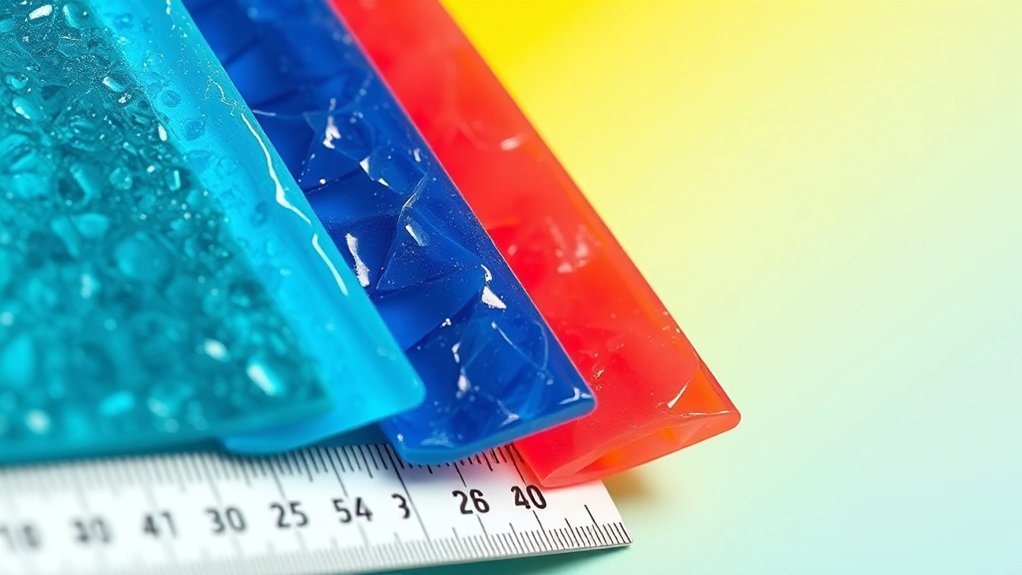
Ensuring colour stability in composite resins involves understanding the key factors that lead to discolouration. These include the composition of the resin matrix, the size of filler particles, and the type of colourants used.
Intrinsic discolouration can occur due to oxidation and insufficient polymerisation, while extrinsic factors often involve staining from everyday beverages like coffee or red wine.
Nanohybrid composites tend to have better colour stability than microhybrids, thanks to their smaller filler sizes and superior surface finishes.
Proper curing and finishing techniques are vital, as they improve polymerisation and minimise residual monomers that can cause discolouration.
Regular monitoring of colour changes using the CIE L*a*b* system helps ensure that any ΔE values stay below clinically unacceptable levels.
Environmental Considerations of Color Choices in Textiles
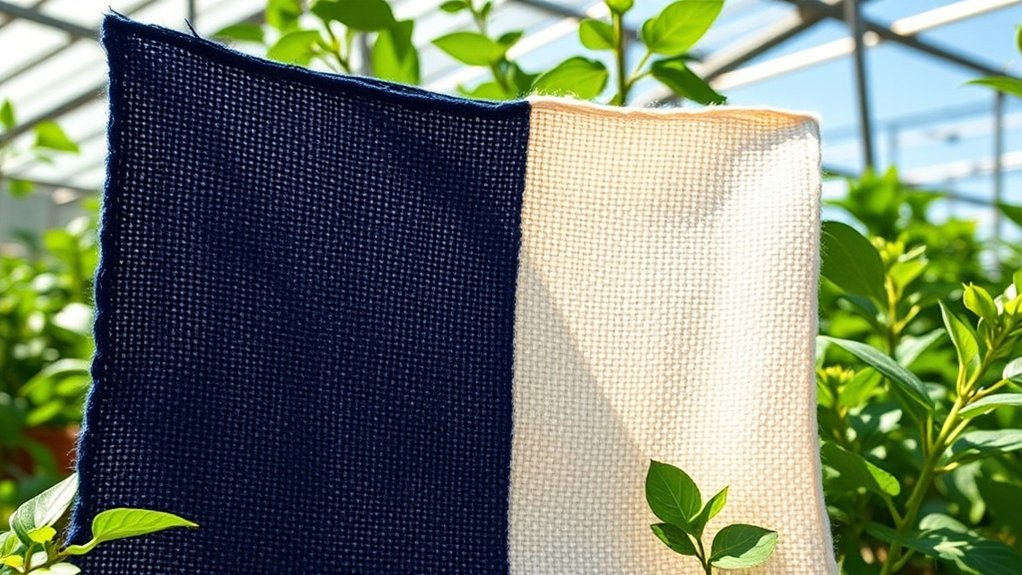
The environmental impact of colour choices in textiles is increasingly under the spotlight as industries strive for sustainable practices. Synthetic dyes are a major source of water pollution, often containing harmful chemicals. On the other hand, natural dyes present a more eco-friendly option, though they come with challenges such as land use and maintaining consistent colours. It’s crucial to grasp the environmental implications of your colour selections.
| Colour Type | Environmental Impact |
|---|---|
| Synthetic Dyes | High toxicity, water pollution |
| Natural Dyes | Biodegradable, lower toxicity |
| Fabric Type | Affects dye absorption rates |
| Industry Trends | Movement towards sustainable methods |
These factors underscore the need for innovation in dye technologies and material choices to reduce the textile industry’s ecological footprint.
Impact of Heat and UV Exposure on Color Durability
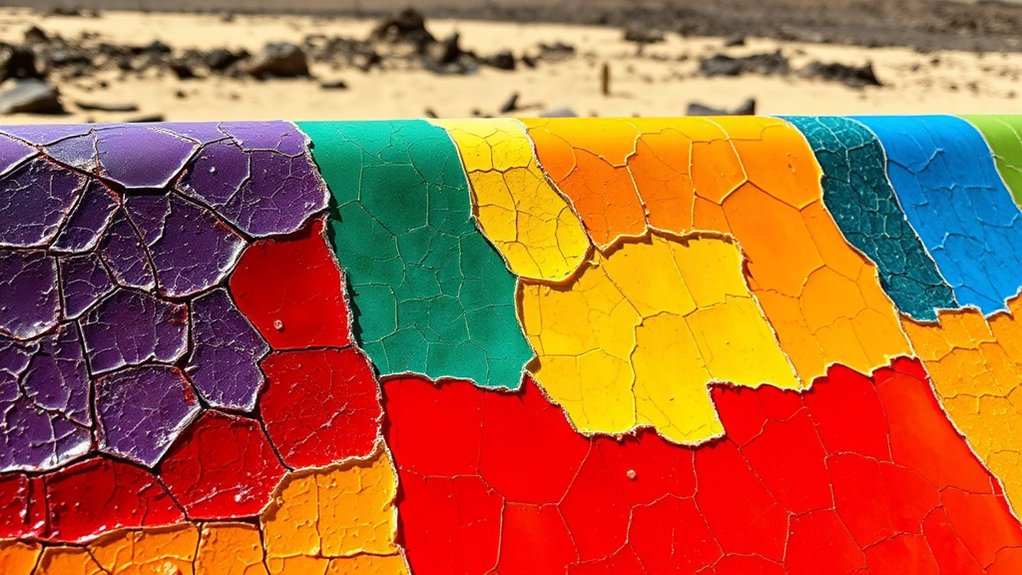
Heat and UV exposure significantly affect the durability of colours in textiles, but their impact varies depending on the dye chemistry and fabric type. Here’s what you need to know:
1. Heat Exposure: High temperatures can weaken the bonds between dye and fibre, leading to quicker fading and potential dye transfer during washing.
For instance, washing a brightly coloured shirt at high temperatures can cause it to lose its vibrancy faster.
2. UV Degradation: Continuous exposure to UV rays from sunlight can break down dyes, resulting in faded and dull colours.
Think of how a sofa in direct sunlight might lose its bright hue over time.
3. Protective Measures: Using UV absorbers and selecting dyes known for their thermal stability can improve colour retention, although some fading will always occur.
For example, outdoor cushions made with UV-resistant fabrics will last longer than those without such protection.
Frequently Asked Questions
How Do Color Choices Affect Consumer Perception of Product Quality?
Colour choices significantly influence how consumers perceive product quality, rooted in consumer psychology. For instance, blue often conveys trust and reliability, making it a popular choice for financial services. Meanwhile, red can evoke excitement and urgency, frequently used in clearance sales to prompt quick purchases. Effective colour branding not only enhances trust and stirs emotions but also shapes evaluations, often resulting in higher perceived quality and a greater likelihood of making a purchase.
Are Certain Colors More Prone to Staining Than Others?
Yes, certain colours are indeed more susceptible to staining. Generally, colourfast materials have better resistance to stains, whereas lighter shades tend to show discolouration more easily, particularly from common culprits like coffee and red wine.
Can Color Selection Influence Maintenance Costs Over Time?
Choosing the right colour can significantly impact maintenance costs over time. Lighter shades tend to require less upkeep, as they can hide dirt and wear better. In contrast, darker colours may fade more quickly, leading to higher long-term maintenance expenses. For instance, a light grey exterior might only need a wash now and then, while a dark blue might require repainting sooner than you’d like.
How Does Color Choice Impact Resale Value of Products?
The choice of colour significantly affects resale value, influenced by colour psychology and market trends. Popular colours, such as navy blue or classic black, tend to boost demand, making items easier to sell. Conversely, niche shades like pastel pink or deep burgundy may hold or even enhance their value due to their perceived exclusivity. When buying a product, many consumers consider the colour as a reflection of their personal style and preferences, which can greatly impact their willingness to pay.
What Role Does Cultural Significance Play in Color Selection?
Cultural significance plays a vital role in choosing colours, as cultural associations and colour symbolism influence how people perceive them. For example, red can signify love in one culture, while in another, it may represent danger. By understanding these connections, you can create products that truly resonate with consumers, boosting emotional engagement and market success across various demographics.
Conclusion
In product design, your choice of colour significantly impacts durability. Understanding factors like Light Reflectance Value and how environmental stressors affect materials can help you create long-lasting products without sacrificing style. For instance, lighter colours tend to reflect more light and heat, which can reduce fading over time. By choosing the right colourants and ensuring material stability, you can craft items that not only look great but also stand the test of time, allowing your vision to shine through without fading.

Proper aggregate size selection is crucial for driveway durability; discover essential tips that could transform your outdoor space today.

Unlock the secrets to perfectly matching your driveway color with your house for stunning curb appeal; discover expert tips that Read more
Discover how the choice of aggregate sourcing can transform the aesthetics of your construction projects, revealing unexpected visual possibilities.