Tarmac Repair Techniques

When was the last time you took a moment to inspect your driveway? If you’re like most homeowners, it’s probably been quite some time. But here’s a thought-provoking question for you: What if neglecting your tarmac driveway could lead to costly repairs and an unsightly surface?
At Nottinghamshire Driveways, we understand the importance of regular maintenance and durable fixes for tarmac driveways. In this article, we will dive into the world of tarmac repair techniques to ensure your driveway stays smooth and visually appealing. From efficient patching methods to innovative thermal recycling, we will explore the top strategies that can extend the lifespan of your driveway and save you money in the long run.
Patching Method for Tarmac Repair
Patching is one of the most versatile methods for repairing potholes in tarmac. It offers a convenient and cost-effective solution that can be carried out all year round. Whether you have a rural or urban road, patching is suitable for all types of surfaces.
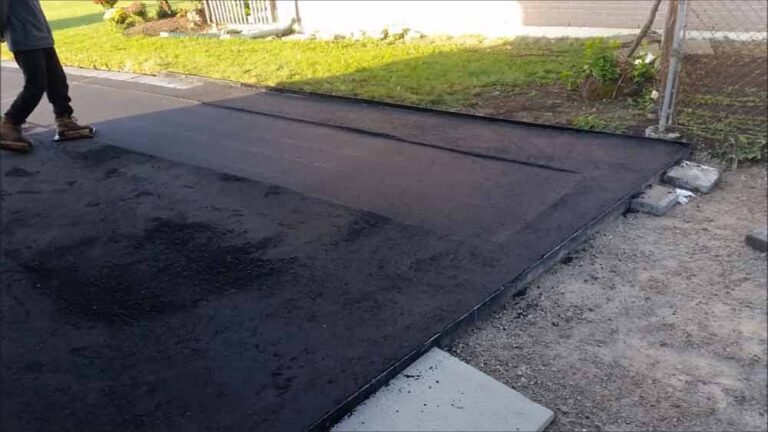
The Patching method involves filling the pothole with a specially formulated patching material and leveling it with the surrounding tarmac. This process creates a seamless and smooth surface, ensuring a safe and durable fix for your driveway.
For local authorities and those responsible for road repairs, patching is a convenient option as it can be performed at any time of the year. This versatile method allows for prompt and efficient repairs, minimising disruption and ensuring the longevity of your tarmac surface.
When it comes to tarmac repair, Nottinghamshire Driveways specialises in patching techniques. Our team of experts has extensive experience in providing high-quality repairs using the most effective materials and methods. Trust us to rejuvenate your driveway and ensure a smooth and long-lasting surface.

At Nottinghamshire Driveways, we understand the importance of maintaining your tarmac surface. That’s why we offer reliable and professional patching services that meet the highest standards of quality. Contact us today at https://nottinghamshire-driveways.co.uk/ to learn more about our services and schedule a consultation.
Thermal Recycling and Thermal Repairs for Tarmac Repair
In the quest to find cost-effective and long-lasting solutions for tarmac repair, thermal recycling and thermal repairs have emerged as efficient road repair methods. These techniques offer innovative ways to rejuvenate damaged surfaces and ensure smooth and durable roads.
Thermal recycling is a method that can be applied throughout the year and is suitable for most surfaces. It involves excavating the pothole and utilising the excavated material in a mobile asphalt plant. The material is then heated, extracting the bitumen, and combined with additional material to form a patching mixture. This process effectively recycles existing material, making it a sustainable and environmentally friendly solution. Not only does this method reduce waste, but it also proves to be cost-effective, as it eliminates the need for significant material acquisition.
On the other hand, thermal repairs are specifically designed for hot-rolled asphalt surfaces. This method utilises a heating cycle to place heated material directly over the pothole. The heated material seamlessly integrates with the existing surface, creating a long-lasting and visually pleasing outcome. The absence of visible seams or joints enhances the overall aesthetic appeal of the repaired area, providing a smooth and consistent surface for drivers.
| Method | Advantages |
|---|---|
| Thermal Recycling | Cost-effective and sustainable, utilising existing material |
| Thermal Repairs | Creates a seamless and visually pleasing surface |
For efficient road repairs, both thermal recycling and thermal repairs offer viable solutions. While thermal recycling repurposes existing material, reducing costs and environmental impact, thermal repairs excel in hot-rolled asphalt environments, providing seamless and long-lasting repairs. By utilising these methods, road maintenance professionals can ensure the longevity and quality of our road networks.
Spray Injection Patching and Cold Applied Instant Material for Tarmac Repair

When it comes to tarmac repair on rural roads with low traffic, spray injection patching is a popular method. This technique involves heating bitumen emulsion and surface aggregates to fill potholes, compacting the mixture to ensure it can withstand traffic. However, there have been conflicting reports about the durability of this method.
While some have experienced long-lasting results, others have found that the repairs have a shorter lifespan. Additionally, there is a risk of excess chippings after the chipping and compacting process, which may require additional maintenance.
On the other hand, cold applied instant material offers a temporary solution for busy roads. This method provides a quick and reliable fix while a permanent solution is being implemented. However, it’s important to consider weather conditions and the location of the pothole. Different materials may be required to effectively repair the damage.
For professional tarmac repair services in Nottinghamshire, you can rely on Nottinghamshire Driveways. With their expertise and experience, they can assess your specific needs and recommend the most suitable repair methods for your driveway or road. Whether it’s spray injection patching or cold applied instant material, they have the knowledge and resources to deliver high-quality results.
For more information you can visit our website and contact us today on 07595 510190 to receive a free quote.
Source Links
- https://www.uksurfacings.com/news/
five-pothole-repair-methods/ - https://www.thepavingexperts.co.uk/
faqs/pothole-repair/ - https://drivewaysurfacerepairs.co.uk/
quick-fixes-simple-and-effective-diy
-tarmac-repairs-anyone-can-do/

'Home is where the heart is,'and a driveway serves as the welcoming path to that cherished abode. As homeowners, we Read more

Are you tired of driving over potholes and uneven surfaces every time you enter your driveway? It's time to pave Read more

Imagine driving down a smooth, pristine road, your tires gliding effortlessly along the pavement. Now, picture the jarring experience of Read more