
Preventing Frost Damage in Resin Surfaces
To prevent frost damage on resin surfaces, ensure proper mixing of resin and aggregates for better durability. Opt for non-toxic, non-corrosive de-icing materials such as calcium magnesium acetate, steering clear of common salts that can compromise resin integrity. Regularly clear debris to maintain adequate drainage, and carry out routine inspections to identify cracks early. Professional installation is crucial for optimal material performance in cold conditions. By implementing these strategies, you can significantly reduce the risk of frost damage and prolong the life of your surfaces. For more preventive measures, keep exploring.
Key Takeaways
- Mix resin and aggregates properly to boost durability and minimise the risk of frost damage.
- Opt for non-toxic, non-corrosive de-icing products, such as calcium magnesium acetate, to safeguard the integrity of the resin.
- Regularly check surfaces for cracks and damage to prevent water from seeping in, which can lead to frost issues.
- Ensure proper drainage and a suitable slope to reduce water pooling and the risk of frost heave.
- Use UV stabilisers in resin mixtures to enhance durability and combat frost-related degradation.
Understanding Frost Damage in Resin Surfaces
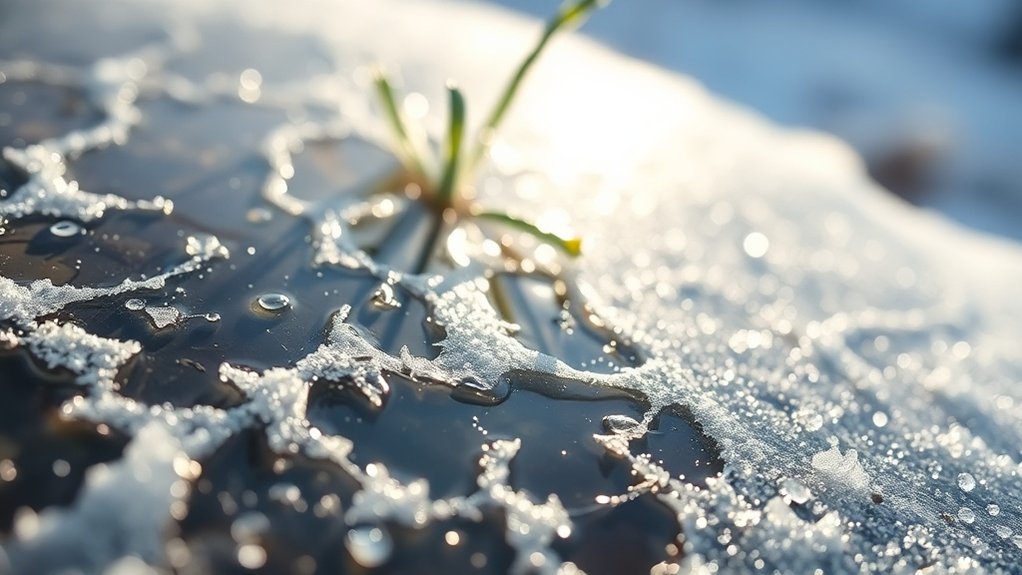
Frost damage in resin surfaces is a significant concern for structural integrity, especially in fibre-reinforced polymers (FRP).
When temperatures drop, resin becomes more brittle due to water absorption and subsequent freezing, which creates internal micro-cracks. Frequent freeze-thaw cycles worsen this problem, leading to increased surface porosity and noticeable cracks. To mitigate these risks, proper mixing of resin and aggregates is essential for enhancing the durability of resin surfaces and reducing frost vulnerability.
These effects can weaken the bond between resin layers and substrates, resulting in a drastic drop in mechanical strength—tensile strength in glass fibre reinforced polymers (GFRP) can decrease by over 30%. The relationship between moisture and porosity is crucial for frost resistance, as smaller pores (under 3 micrometres) greatly heighten the risk of damage. Additionally, high specific strength in composite materials emphasizes the importance of optimizing resin formulations to enhance frost resistance.
Understanding these processes is vital for ensuring the durability and performance of resin-based structures in harsh weather.
Importance of Appropriate De-Icing Materials
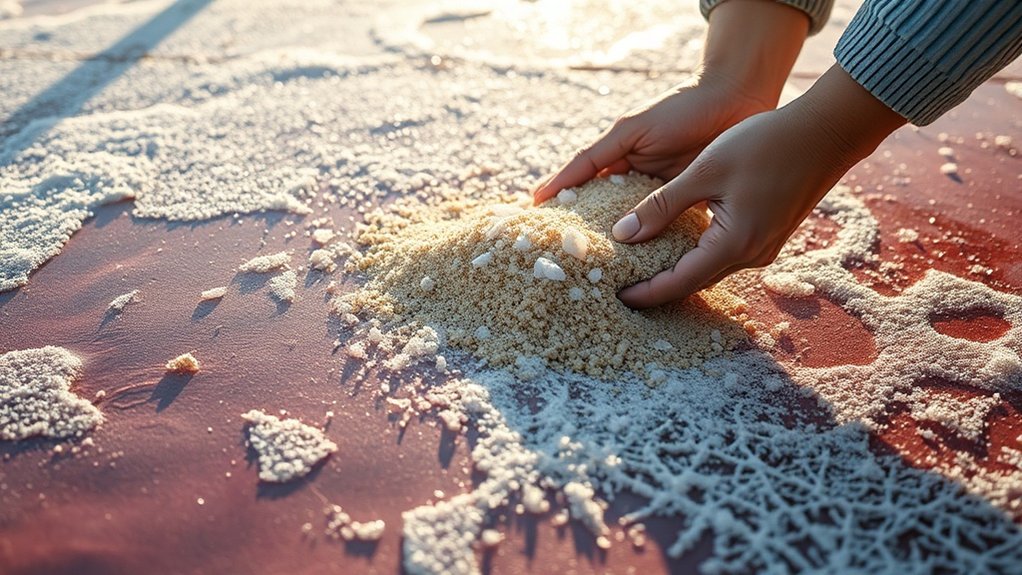
When de-icing your resin surfaces, it’s crucial to choose the right materials to ensure their longevity. Opt for safe alternatives that won’t harm or degrade the surface and cause unsightly damage. Using non-toxic, non-corrosive de-icers will help you effectively manage frost while preserving the integrity of your resin. For example, products like calcium magnesium acetate can be a gentle yet effective option for keeping your surfaces clear of ice. Additionally, utilizing high-efficiency anti-icing materials can enhance performance and reduce energy consumption during de-icing operations.
Safe De-Icing Alternatives
Selecting the right de-icing materials is crucial for preserving resin surfaces during winter. Mechanical methods, such as shovelling and scraping, effectively prevent ice build-up without causing chemical damage. You can further enhance safety by using textured surfaces that disrupt ice formation or by applying heat through thermoelectric systems to physically remove ice. Although these methods might require more energy, they reduce the environmental impact of harsh chemicals on your resin surfaces. Alternatives like baking soda or beet juice-based products offer gentle solutions for light ice, which are non-corrosive to both resin and the surrounding environment. Additionally, using calcium magnesium acetate (CMA) as a safe de-icer helps protect resin surfaces while effectively melting ice. To ensure long-lasting protection, consider the low-maintenance surface qualities of resin driveways that resist weed growth and contribute to overall durability.
Chemical Damage Prevention
To prevent chemical damage to resin surfaces in winter, it’s crucial to understand the compatibility of de-icing materials. Common de-icing salts, such as calcium chloride and magnesium chloride, can react with resin and cause degradation.
Carrying out a thorough chemical compatibility assessment will help you identify de-icing agents that minimise this risk.
Consider alternatives that include anti-icing additives, as these reduce the amount of salt needed and limit chemical damage. Methyl methacrylate-based composite resins with improved additives can enhance resistance to chemical attacks, ensuring they retain their mechanical properties.
Regularly test de-icing chemicals against your specific resin to avoid issues like reduced strength and erosion. Additionally, selecting materials that comply with Sustainable Urban Drainage Systems can further protect your resin surfaces while promoting eco-friendliness.
Protect your resin surfaces by choosing compatible materials and using effective coatings for added durability.
Effective Preventive Surface Preparation
Effective preventive surface preparation is crucial for protecting resin surfaces from frost damage during the winter months.
Begin by clearing away debris to ensure proper drainage and reduce the risk of ice forming. Use mild cleaners specifically designed for resin to maintain surface adhesion without causing any harm. Regularly inspecting your surfaces will help identify any damage that needs addressing before winter arrives.
Next, apply a suitable sealant to improve durability and moisture resistance, ensuring it penetrates any cracks and pores.
Additionally, make sure your resin surface has an adequate slope to prevent water pooling.
Techniques for Snow and Ice Management
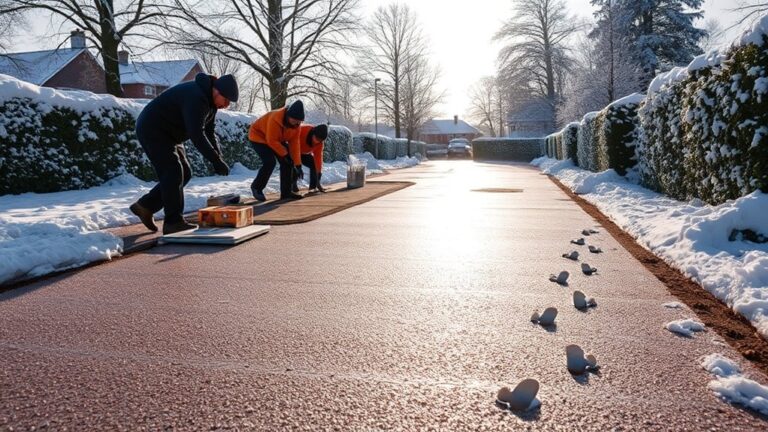
Once your resin surfaces are ready for winter, it’s crucial to manage snow and ice effectively. Clear snow promptly to prevent it from compacting, and use plastic shovels rather than metal ones to protect your surface.
Avoid using heavy machinery; manual removal is the safest option.
For ice management, apply white rock salt sparingly or choose eco-friendly calcium magnesium acetate to limit damage. A thin layer of sand spread before freezing temperatures can help improve traction.
Regularly check for slippery spots and reapply traction aids as necessary. Always dispose of cleared snow away from the driveway to prevent refreezing, ensuring your resin surfaces stay intact and functional throughout winter.
The Role of Professional Installation

When you choose professional installation, you’re getting expertise in materials that perform well in cold weather, enhancing both durability and flexibility.
Skilled installers use advanced formulations that resist frost damage, ensuring your resin surface can handle temperature changes.
This attention to detail not only extends the lifespan of your installation but also reduces the likelihood of expensive repairs in the future.
Expertise in Cold Weather
Many homeowners underestimate the challenges of resin installation in cold weather, but professional expertise is crucial for ensuring durability and effectiveness.
Experts understand how low temperatures impact resin application and use specialised knowledge to choose frost-resistant materials. They adapt their methods to accommodate slower chemical reactions and thicker resin, often warming components before installation to improve curing.
Professionals also create controlled curing environments to optimise chemical reactions for a strong surface. They prepare the ground carefully, ensuring proper drainage to prevent frost heave.
Enhanced Durability and Flexibility
Many homeowners may underestimate the significance of professional installation, yet it plays a crucial role in enhancing the durability and flexibility of resin surfaces, particularly in colder climates. A stable foundation and the use of high-quality materials by professionals can significantly reduce the risks of frost damage. Conducting durability tests and assessing flexibility are vital parts of the installation process.
| Professional Installation Factors | Impact on Resin Surfaces |
|---|---|
| Stable, compacted sub-base | Prevents movement during freeze-thaw cycles |
| Frost-resistant resins | Withstand thermal expansion |
| Expert drainage systems | Minimise frost heave risk |
| Controlled application | Eliminates weak spots |
| Compliance with local regulations | Ensures long-term integrity |
Selecting Frost-Resistant Materials

Selecting frost-resistant materials is crucial for ensuring the durability and effectiveness of resin surfaces in colder climates.
Here are key factors to consider when choosing your resin:
- Material Type: Opt for epoxy or vinyl ester resins, as these typically perform better in low temperatures and maintain flexibility.
- Curing Conditions: Ensure warm curing temperatures to achieve complete curing and avoid brittleness, especially with polyester resins.
- Additives and Treatments: Use specific additives or surface treatments that boost resilience against cold weather.
Damage Prevention Strategies During Winter Use
Choosing frost-resistant materials is essential for effective resin surfaces, but winter requires proactive measures to prevent damage.
Begin with routine inspections; check for cracks or wear before the cold sets in. Address any damage quickly to prevent water ingress from causing frost damage. Clear away debris that can trap moisture and encourage mould growth.
When using de-icing agents, choose non-corrosive options and apply them sparingly. To protect surfaces during snow removal, use plastic shovels or soft brooms; avoid metal tools that may scratch.
Ensure proper drainage to prevent water pooling, and consider applying a suitable sealer before winter to boost moisture resistance. By taking these precautions, you can help preserve your resin surfaces and extend their lifespan.
Best Practices for Snow Removal
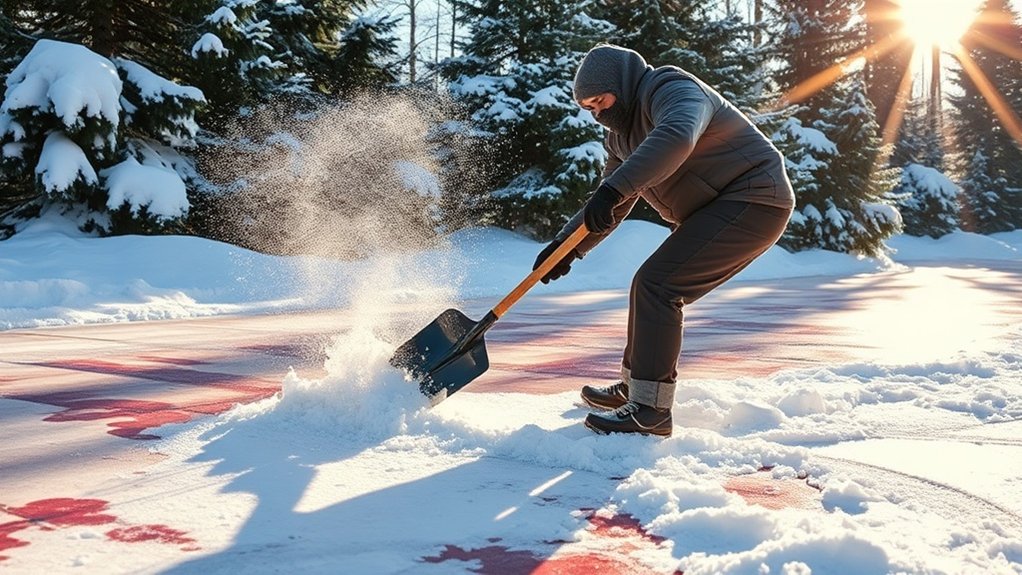
Effective snow removal is crucial for preserving resin surfaces in winter. Here are some best practices to follow:
- Clear snow promptly to prevent the formation of ice and moisture build-up.
- Use plastic snow shovels only; avoid metal tools that may scratch or damage the resin.
- Opt for soft-bristle brooms for lighter snow, and clear in layers to minimise compaction and reduce slipping risks.
Regular Maintenance and Inspections
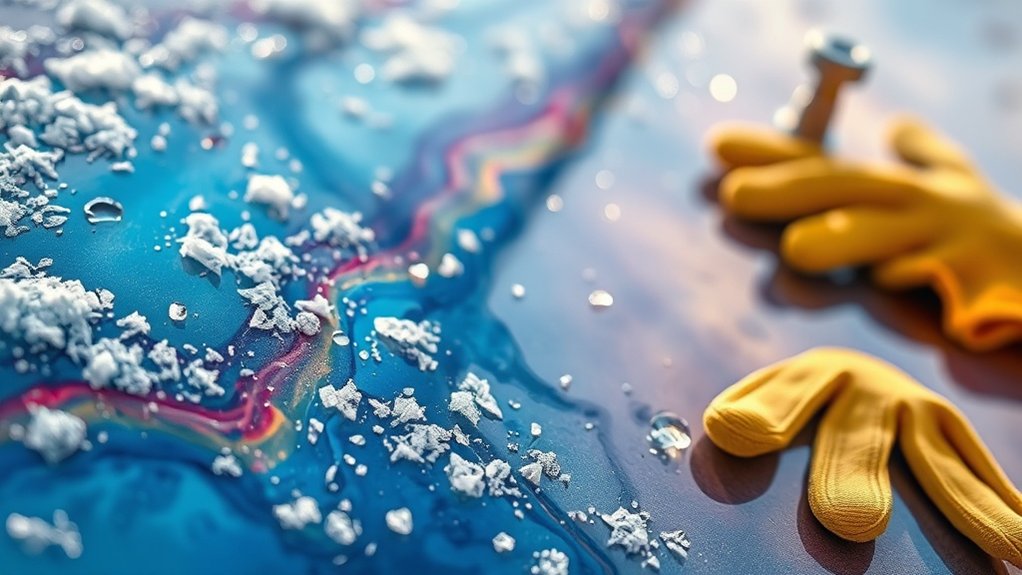
Regular maintenance and inspections are crucial for protecting your resin surfaces from frost damage.
By routinely checking for early signs of wear, such as cracks or chips, you can resolve issues before they worsen. This proactive stance not only prolongs the lifespan of your surface but also prevents moisture build-up that can lead to more significant problems.
For instance, a small crack left unattended can allow water to seep in, freeze, and expand, causing further damage.
Keeping an eye on your surfaces is a simple yet effective way to ensure their longevity.
Importance of Routine Checks
Routine checks are crucial for protecting resin surfaces from frost damage.
Regular inspections help maintain frost resilience and prevent resin fatigue. Here are three key benefits of these checks:
- Early Detection: Spot micro-cracks, discolouration, and moisture build-up that could lead to frost damage.
- Surface Integrity: Regular cleaning prevents dirt accumulation, which can trap moisture and heighten frost risk.
- Calibration: Monthly adjustments ensure consistent resin thickness, minimising stress points that could crack under frost exposure.
Keeping on top of these checks can save time and costs in the long run.
Identifying Early Damage
To effectively identify early damage in resin surfaces, it’s important to take a proactive approach to maintenance and inspections.
Begin with regular external visual checks for signs such as surface cracks, scaling, or delamination. Look out for colour changes, blistering, or peeling, as these may indicate moisture ingress.
Use magnifying tools to detect small imperfections before they develop into larger problems. Keep an eye on texture changes, particularly at joints and edges, which can signal resin degradation from freeze-thaw cycles.
Consider non-destructive testing methods like thermography and ultrasonic measurements to uncover subsurface damage.
Repairing Small Damages Promptly

Detecting and repairing small damages promptly is vital for preserving the integrity of resin surfaces, particularly after a harsh winter.
To ensure effective repairs, follow these steps:
- Inspection and Measurement: Regularly check for cracks or wear. Measure any cracks you find to decide on the best repair methods and materials.
- Surface Preparation: Clean the damaged area thoroughly. Slightly widen any cracks to improve adhesion, and ensure the area is completely dry.
- Material Application: Use high-quality fillers that are compatible with resin surfaces. Apply them carefully to achieve a smooth finish.
Long-Term Care for Resin Surfaces
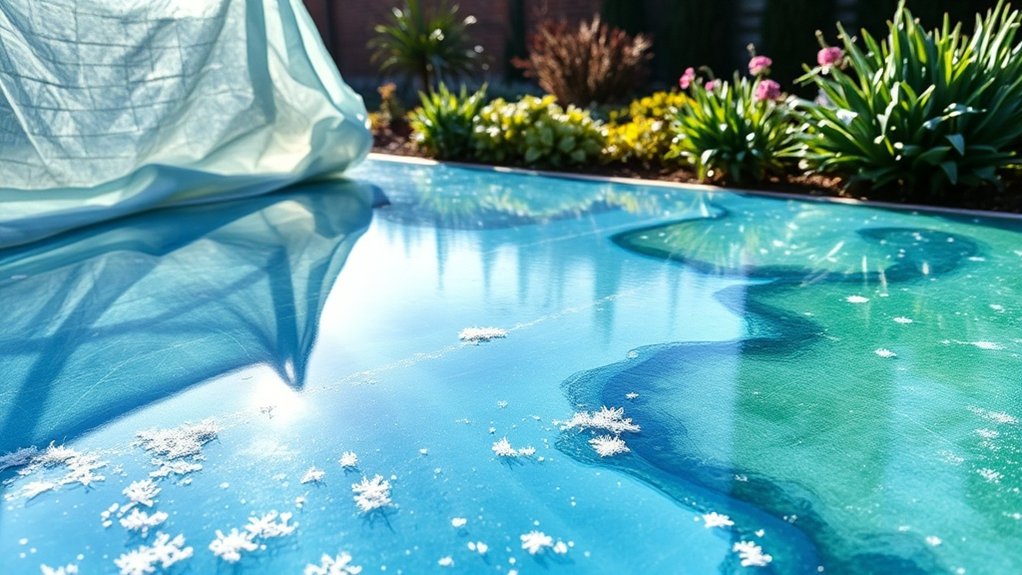
To prolong the life of resin surfaces, it’s important to take a proactive approach to their care throughout the year. Regular cleaning—ideally three to four times a year—is vital for maintaining their condition.
Start by sweeping away debris, and for tougher stains, use mild detergents; avoid harsh chemicals as they can damage the resin.
In winter, use calcium chloride for ice removal instead of rock salt, which can be harmful.
Regular inspections are key to spotting minor cracks or fading early on, allowing for prompt repairs.
Ensure drainage channels are clear to prevent water from pooling, and when clearing snow, opt for plastic shovels to avoid scratches.
Enhancing Durability With Uv-Resistant Resins

When it comes to protecting resin surfaces from the damaging effects of sunlight, UV-resistant resins are a significant breakthrough. By incorporating UV stabilisers, these resins enhance longevity while ensuring their effectiveness.
Here’s how they work:
- UV Absorbers: Similar to sunscreen, these components absorb harmful UV radiation, preventing damage to the resin structure.
- Radical Scavengers: These substances neutralise free radicals that can cause degradation, helping to preserve the resin’s integrity.
- Advanced Formulations: Non-styrenated resins improve adhesion and durability, making them particularly suitable for outdoor use.
With quick curing times and excellent chemical resistance, UV-resistant resins provide lasting protection, keeping surfaces clear and preventing yellowing. This extends their lifespan when exposed to sunlight.
Frequently Asked Questions
Can I Use Regular Salt on Resin Surfaces for De-Icing?
Regular salt should not be used on resin surfaces for de-icing, as it can cause damage. Instead, opt for alternatives like magnesium chloride or eco-friendly options to protect your resin effectively.
How Often Should I Seal Resin Surfaces During Winter?
Think of maintaining your resin surfaces like looking after a castle. To keep them in top condition during winter, aim to seal them every two to three years. Regularly check for signs of wear, and re-seal as needed to ensure your fortress remains sturdy.
What Should I Do if My Resin Surface Develops Cracks?
If your resin surface develops cracks, consider using epoxy fillers for an effective repair. To prevent cracks, regularly inspect your surface and apply sealant to guard against moisture. This will help maintain the integrity of your surface over time.
Are There Specific Brands of Winter-Grade Sealants Recommended?
Think of your home as a fortress against winter’s chill. Winter-grade sealants can help protect it. Brands like SikaSeal and Wolf Group are known for their durability. Choose wisely, and you’ll keep the cold at bay.
How Can I Improve Drainage on My Resin Driveway?
To improve drainage on your resin driveway, consider these effective solutions:
- Grading: Ensure your driveway has a proper slope to direct water away from the surface. A slight incline can make a significant difference.
- Drainage Channels: Install drainage channels along the edges to catch excess water. This helps prevent pooling and keeps the surface dry.
- Regular Maintenance: Keep your resin driveway well-maintained by clearing debris and cleaning it regularly. This prevents blockages that can hinder drainage.
Conclusion
To prevent frost damage and extend the life of your resin surfaces, it’s essential to take proactive measures. Untreated frost can reduce surface durability by as much as 50%, which is a significant loss. Using appropriate de-icing materials, performing regular maintenance, and carrying out timely repairs will not only protect your investment but also keep your surfaces looking their best. By adopting these strategies, you can ensure your resin surfaces endure the toughest winter conditions and maintain their visual appeal.
Get ready to discover how resin driveways withstand harsh winter conditions and whether they're the right choice for your home.
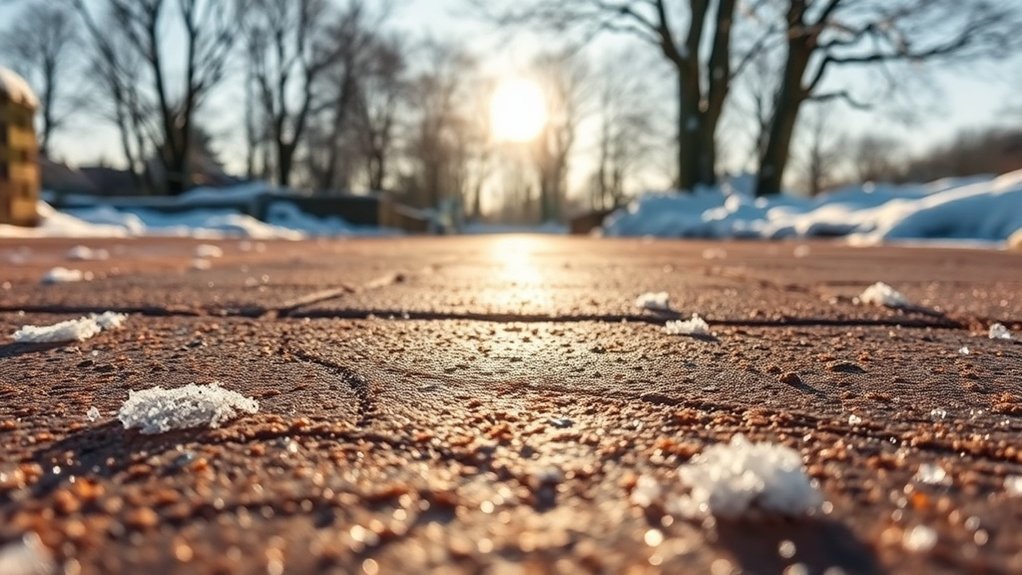
Will a resin driveway withstand the harsh Nottinghamshire winters? Discover the secrets to ensuring its longevity and resilience in cold Read more
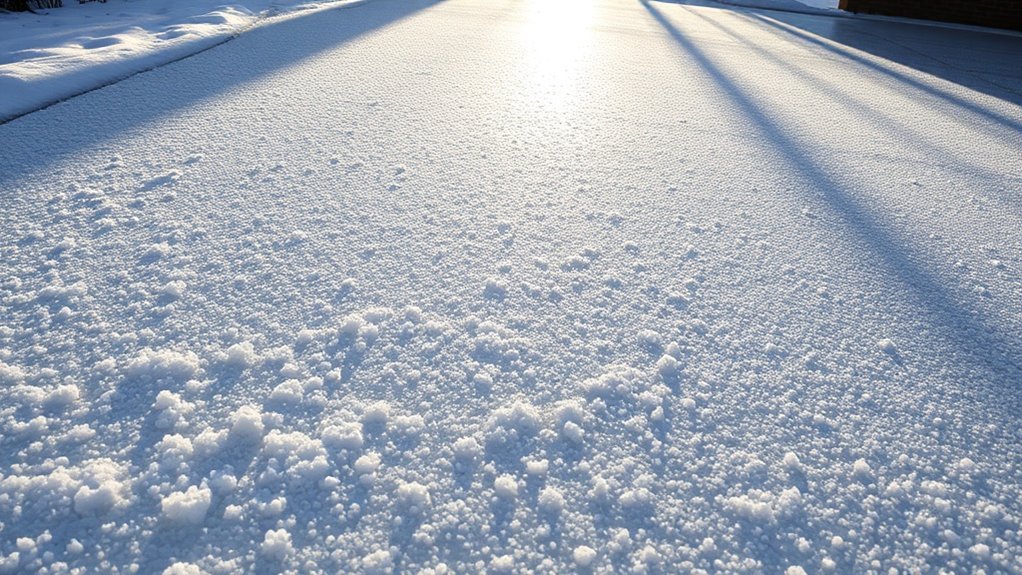
Are you wondering if salt is safe for your resin driveway this winter? Discover the surprising effects and alternative solutions.