How Long Does Driveway Sealer Take to Dry?
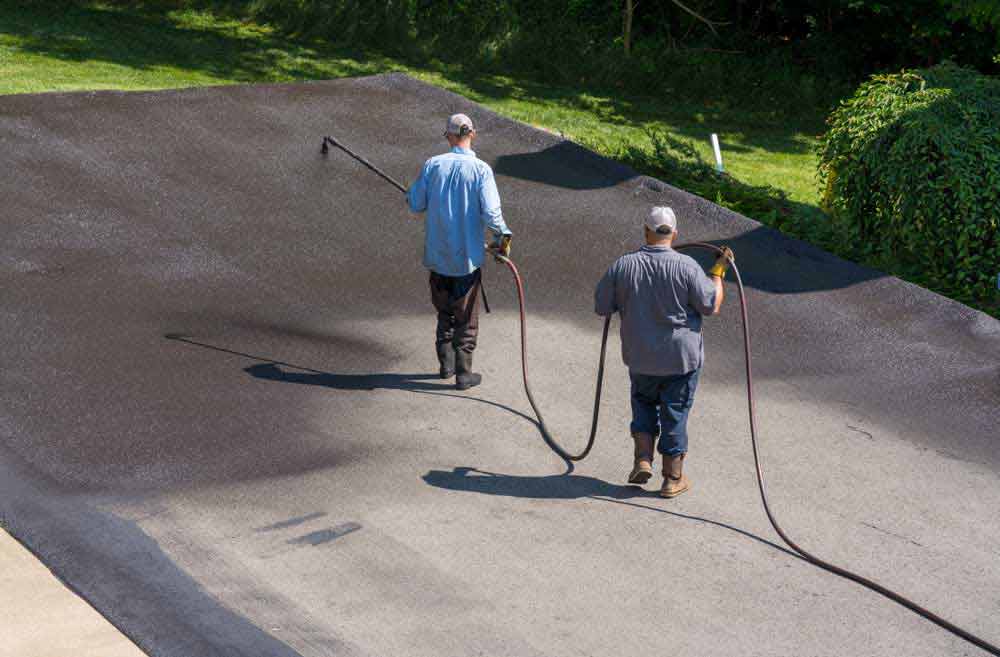
When it comes to applying sealcoating to your driveway, it’s important to understand how long it takes to dry. At Nottinghamshire Driveways, we know that timing is crucial to achieve a perfect finish. So, how long should you wait before walking or driving on a freshly sealed driveway?
Under ideal conditions, you can walk on a sealcoated pavement just three hours after application. However, if you want to drive on it, we recommend waiting a minimum of 12 hours for it to dry and cure. It’s important to note that the drying and curing process may take longer if the weather is overcast or if rain is in the forecast.
For optimum results, we suggest waiting 48 to 72 hours before using your driveway after sealcoat application. Factors such as the temperature, humidity levels, and moisture also play a role in the drying and curing time of sealcoating.
Accelerating the drying and curing process can be done by using sealcoat additives such as Fass-Dri Pavement Sealer Additive and FSA Fast Sealing Additive.
At Nottinghamshire Driveways, we are experienced driveway contractors who specialise in driveway installation and paving services.
Whether you prefer gravel driveways, block paving, or concrete driveways, our team of experts will ensure a professional and reliable service. We understand the importance of proper drying and curing to achieve long-lasting results.
When it comes to your driveway, trust the specialists. Choose Nottinghamshire Driveways for all your driveway installation needs. Contact us today at https://nottinghamshire-driveways.co.uk/.

Factors Affecting Drying Time of Paving Sealer
Properly drying and curing paving sealer is crucial for achieving a long-lasting and flawless finish on your driveway. The drying time of paving sealer can be influenced by various factors that need to be taken into consideration. Here are some key factors that can affect the drying time of paving sealer:
- Foot Traffic: To allow the sealer to dry properly, it is important to avoid foot traffic for a certain period of time. Typically, you should avoid walking on the sealcoated surface for up to 4 hours and heavy foot traffic for up to 7 hours.
- Vehicle Traffic: While foot traffic should be avoided, vehicle traffic should be avoided for as long as possible to achieve maximum results. Ideally, it is recommended to avoid driving on the sealcoated driveway for 24 to 36 hours.
- Weather Conditions: Humidity and temperature can significantly impact the drying time of paving sealer. It is advisable to apply the sealer during days with low humidity and temperatures between 5 degrees and 20 degrees Celsius for optimal performance.
By monitoring the weather forecast and selecting a day with ideal temperature conditions and low humidity, you can help ensure a shorter drying time for your paving sealer. Keep in mind that these factors can vary depending on the specific product used and the manufacturer’s recommendations, so it is always best to consult with professional driveway contractors or driveway paving experts for specific guidance tailored to your driveway renovation or construction project.
Comparison of Drying Times for Different Paving Sealer Brands
| Brand | Minimum Drying Time (Foot Traffic) | Minimum Drying Time (Vehicle Traffic) | Optimal Temperature Range |
|---|---|---|---|
| Brand A | 2 hours | 24 hours | 10°C – 18°C |
| Brand B | 4 hours | 48 hours | 5°C – 22°C |
| Brand C | 3 hours | 36 hours | 12°C – 20°C |
Please note that these drying times are approximate and may vary based on the specific product, application method, and weather conditions. Always refer to the manufacturer’s guidelines and consult with professional driveway installers or driveway experts for accurate information related to the drying time of the specific paving sealer you are using.
>Asphalt Sealcoating Drying and Curing Process
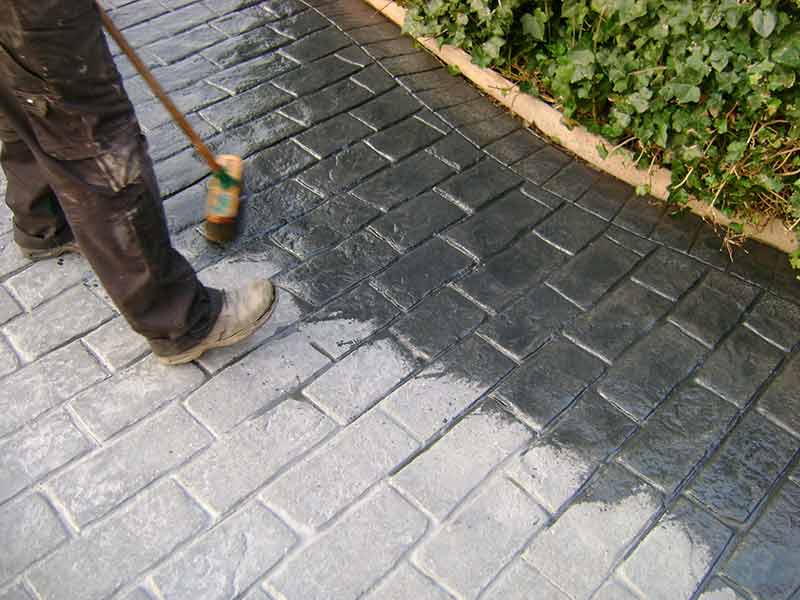
The drying and curing time of asphalt sealcoating can be influenced by various factors, including weather conditions, such as humidity, temperature, moisture, sunshine, and wind. These factors play a crucial role in determining how long it takes for the sealcoat to fully dry.
Nottinghamshire Driveways, one of the leading driveway companies, recommends waiting for at least two to three days to ensure that the sealcoat is completely dry. When applying a new layer of sealcoat to an existing one, proper adhesion is essential to prevent any structural damages.
Nottinghamshire Driveways, a team of driveway specialists, suggests sealcoating your asphalt pavement in the spring or summer months when temperatures are mild and humidity levels are low.
This optimal weather condition allows for a faster drying process without the risk of snow or rain disrupting the curing process.
To achieve the best results, it is advised to wait for 24 to 48 hours before using your freshly sealed asphalt driveway. This waiting period ensures that the sealcoat has enough time to cure properly and adhere to the asphalt surface without causing any damages. A longer curing time of four to eight hours is recommended for better adhesion and a stronger barrier against external elements.
Winter is not an ideal time for sealcoating as freezing temperatures and cold weather can damage the sealer and hinder proper adhesion. To ensure a professional and long-lasting sealcoating job, it is highly recommended to hire reliable driveway installation services or paving services, such as Nottinghamshire Driveways, who have the expertise to handle the sealcoating process efficiently and effectively.
For more information you can visit our website and contact us today on 07595 510190 to receive a free quote.
Source Links
- https://blog.asphaltkingdom.com/
how-long-stay-off-driveway-after-sealcoating - https://www.suresealpavement.com/
how-long-does-sealcoating-take-to-dry/ - https://universealsealants.co.uk/
how-long-does-it-take-paving-sealer-to-dry/

'Home is where the heart is,'and a driveway serves as the welcoming path to that cherished abode. As homeowners, we Read more

Are you tired of driving over potholes and uneven surfaces every time you enter your driveway? It's time to pave Read more

Imagine driving down a smooth, pristine road, your tires gliding effortlessly along the pavement. Now, picture the jarring experience of Read more