Can You Pave a Driveway in Winter?

Are you considering winter driveway paving? Wondering if it’s possible to install a driveway in cold weather? Well, you’ve come to the right place. At Nottinghamshire Driveways, we understand the importance of finding the right time for your paving projects. Let’s explore the possibilities of paving your driveway during the winter season.
When it comes to driveway installation in cold weather, there are a few factors to consider. While it’s generally recommended to wait until spring for asphalt paving projects, it is possible to pave in winter under certain conditions. Mild winters or late fall when the weather is dry and the ground isn’t frozen can provide a suitable environment for paving.
However, it’s essential to avoid paving on frozen ground, as it may result in poor quality asphalt that deteriorates quickly. Dry weather conditions are crucial for successful paving, as it ensures the quality of the asphalt. Rain or snow can compromise the outcome of the project. That’s why it’s important for contractors to work swiftly and efficiently, completing the project before any weather changes occur.
So, if you’re planning a winter paving project, keep in mind the specific conditions required for successful results.
Stay tuned for more information on factors to consider for winter driveway paving and the best practices to achieve a flawless finish.
In the meantime, feel free to visit our website at https://nottinghamshire-driveways.co.uk/ for more information and to explore our range of paving services.
Our team of experts is here to assist you with any questions or concerns you may have.
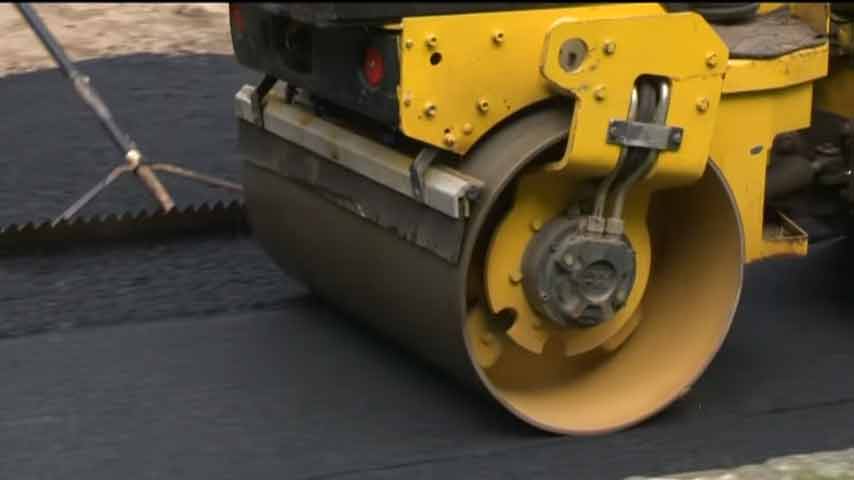
Stay tuned for the next section where we dive deeper into the factors that influence winter driveway paving and how to ensure a successful project.
Factors to Consider for Winter Driveway Paving
When it comes to winter driveway paving, there are several important factors to consider. One of the key considerations is the type of asphalt to be used. Generally, hot mix asphalt is commonly used for paving projects, but it requires temperatures above 55 degrees for proper installation. On the other hand, cold mix asphalt can be used in any temperature and is more suitable for repairs rather than full driveway installations.
The daily temperatures also play a crucial role in determining whether asphalt can be paved in winter. For hot mix asphalt installation, temperatures should be above freezing and rising. It is important to avoid extreme temperature fluctuations during the installation process as they can lead to deficiencies in the asphalt.
Additionally, precipitation, such as rain or snow, should be avoided during paving to prevent complications. Moisture can negatively affect the quality of the asphalt and compromise the longevity of the driveway. Therefore, it is essential to schedule paving projects during dry weather conditions.
When undertaking winter driveway paving, it is advisable to hire a local asphalt company with experience in working in the specific climate of the area. They have the knowledge and expertise to assess the viability of paving projects in winter. By hiring a local asphalt company, you can ensure that the project is completed efficiently and effectively, taking into account the unique weather conditions of the region.
Table: Comparison of Asphalt Types for Winter Driveway Paving
| Asphalt Type | Suitable Temperature Range | Application |
|---|---|---|
| Hot Mix Asphalt | Above 55 degrees | Full driveway installations |
| Cold Mix Asphalt | Any temperature | Repairs |
Conclusion

When considering winter asphalt paving, it is important to take various factors into account.
While it is possible to carry out driveway installations or repairs during the colder months, it may not always be the most ideal time for such projects.
Hot mix asphalt, which is commonly used for paving, requires warmer temperatures for proper installation.
On the other hand, cold mix asphalt is more suitable for repairs and can be used in any temperature.
The daily temperatures play a crucial role in determining the feasibility of winter paving projects. It is recommended to wait until temperatures are above freezing and rising before opting for hot mix asphalt installation. This helps to ensure that the asphalt sets properly and prevents any deficiencies that may arise due to extreme temperature fluctuations during the installation process.
Another important consideration is precipitation. It is best to avoid paving when there is a chance of rain or snow, as moisture can negatively affect the quality of the asphalt. Hiring a local asphalt company, such as Nottinghamshire Driveways, is highly recommended. They have the expertise and knowledge of the local climate to advise on the viability of winter paving projects.
In some cases, it may be more practical to schedule asphalt projects for the spring or summer months. This allows for more favorable weather conditions and ensures that the asphalt can properly cure and set. It is advisable to plan and schedule asphalt projects in advance, as asphalt contractors tend to have a busy schedule during the warmer months.
For more information you can visit our website and contact us today on 07595 510190 to receive a free quote.
Source Links
- https://www.waltspaving.com/can-you-lay-asphalt-during-the-fall-or-winter/
- https://copavementsolutions.com/can-you-do-asphalt-in-the-winter/
- https://michigansealcoating.com/can-i-pave-asphalt-driveways-in-winter/

'Home is where the heart is,'and a driveway serves as the welcoming path to that cherished abode. As homeowners, we Read more

Are you tired of driving over potholes and uneven surfaces every time you enter your driveway? It's time to pave Read more

Imagine driving down a smooth, pristine road, your tires gliding effortlessly along the pavement. Now, picture the jarring experience of Read more