Can You Install Resin Over Existing Tarmac in Nottingham?
Yes, you can install a resin overlay over existing tarmac in Nottingham, provided the surface is thoroughly inspected and prepared. Ensure the tarmac is structurally sound, free from cracks and contaminants, and meets drainage requirements. Proper assessment and repairs are essential for a successful installation. If you’d like more information on the types of resin systems and the installation process, further details are available.
Key Takeaways
Yes, you can install resin over existing tarmac, provided it’s in good condition. The tarmac needs to be stable, without any movement, subsidence, or significant cracks.
Before installation, ensure the surface is thoroughly cleaned, as this is crucial for the resin to adhere properly. Additionally, you’ll need to comply with Sustainable Drainage Systems (SuDS) regulations to ensure effective water drainage.
Don’t forget to check with Nottingham City Council for any necessary permits or local regulations that may apply to your installation.
Understanding Surface Suitability for Resin Overlay

When considering a resin overlay for tarmac, it’s crucial to assess the surface’s suitability to ensure long-lasting performance.
Start with a detailed inspection: check that the tarmac shows no significant movement, subsidence, or structural cracking. Repair any potholes or depressions to ensure a level surface.
It’s important to evaluate the hardness and penetration (pen) rating of the existing tarmac—ideally, this should be between 100 and 150 to avoid thermal issues. A seamless, permeable finish created by resin can greatly enhance the durability of your surface. Ensuring compatibility with Sustainable Urban Drainage Systems (SuDS) is essential for effective water management.
Clean the surface thoroughly, removing any contaminants like oil or debris that could affect resin adhesion.
Lastly, check the drainage and permeability of the surface to prevent water build-up and ensure compliance with Sustainable Urban Drainage Systems (SuDS) requirements.
Addressing these factors beforehand will help ensure a successful and durable resin overlay.
Types of Resin Systems Compatible With Tarmac
Once you’ve confirmed that your tarmac surface is suitable, it’s time to look at the resin systems that work well with it.
Resin-bound systems, typically 15–18mm thick, are perfect for stable tarmac bases. They create a permeable layer that complies with SuDS regulations. AC14 open textured 14mm tarmac is optimal for resin drives due to its strength and permeability. These systems also provide long-lasting durability, often lasting up to 25 years with proper care and maintenance.
On the other hand, resin-bonded systems use a thin sprayed resin topped with loose aggregate. These are great for enhancing the appearance of footpaths but aren’t ideal for areas with heavy traffic due to their lower durability. They can, however, offer aesthetic appeal that enhances property value.
For high-traffic zones, consider rapid-curing polyurethane and MMA overlays, which offer quick installation and strong adhesion. Additionally, hot-applied resin-modified surfacings and tack coats can improve bonding and help reduce cracking.
Choosing the right resin system for your tarmac is crucial for optimal performance and durability.
Pre-Installation Checks and Preparations

Before installing resin over tarmac, check the surface condition to ensure it’s suitable for application. Clean the area thoroughly, removing debris and addressing any small defects to encourage proper adhesion. Additionally, ensure that the tarmac surface complies with Sustainable Drainage Systems principles to facilitate effective water management. Avoid granular sub-bases to ensure a stable foundation for the resin layer. Completing these essential pre-installation steps will help ensure a durable and high-quality finish.
Surface Condition Assessment
A thorough surface condition assessment is crucial for the successful installation of resin over tarmac.
Start with a detailed evaluation to identify any structural issues, such as alligator cracking, rutting over 10-12 mm, or large potholes that need repairing before moving forward.
Analyse the types and severity of cracks; narrow, stable cracks can typically be sealed, while larger, interconnected ones may require reconstruction.
Ensure the surface is even, rectifying any dips or irregularities that could impact drainage and the resin’s bond.
Finally, check for drainage issues to remove any standing water or soft spots that could jeopardise the bond.
Only after these checks should you proceed with the resin installation.
Cleaning and Preparation Steps
To ensure a successful resin installation over tarmac, it’s crucial to follow these cleaning and preparation steps carefully:
- Surface Cleaning: Use industrial cleaning equipment and a power washer to remove dust, debris, and weeds from the tarmac surface. This ensures a clean area for proper adhesion.
- Primer Application: Once the surface is clean, apply a suitable primer. This enhances the bond between the tarmac and resin, which is particularly important for concrete bases.
- Pre-Installation Checks: Carry out a thorough site assessment to check the tarmac’s condition. Ensure it’s stable, level, and meets drainage requirements before moving forward.
Repairing Localized Defects
When assessing tarmac surfaces, it’s crucial to identify and repair localised defects to ensure a stable foundation for resin application.
Start by checking for cracks, holes, dips, and weak spots. Remove any damaged sections and replace them with a new, level base. Fill holes and level out uneven areas for added stability.
To improve resin adhesion, roughen the edges of cracks with sandpaper or a grinder. Use high-quality repair mortars for any structural fixes.
Ensure the base can support vehicle loads and remains perfectly level. Regular inspections every 3 to 6 months will help maintain durability.
Tackling these localised repairs is key to a successful resin installation.
The Installation Process and Timeline
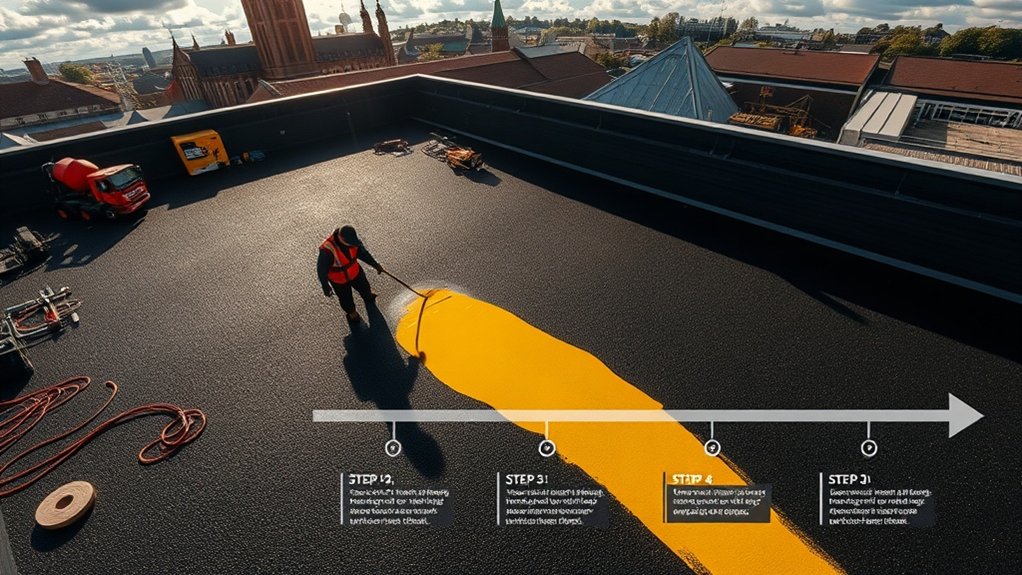
Before starting the installation of a resin overlay on tarmac, it’s important to understand the process and timeline involved.
A successful installation relies on proper surface preparation and a clear schedule:
- Surface Inspection: Check the existing tarmac for cracks, drainage issues, and any contamination.
- Pre-installation Preparation: Clean the surface, fix any defects, and apply primer if necessary.
- Laying Technique: Evenly apply the resin-aggregate mix, finishing to achieve the desired texture.
The entire installation usually takes a few days, depending on the weather and the complexity of the project.
Thorough surface preparation is crucial to ensure good adhesion and longevity of the resin overlay.
Following these steps carefully will result in a durable and attractive finish.
Performance and Durability of Resin Overlays

When choosing resin overlays, you gain an attractive surface that enhances your property’s look.
They offer impressive durability, lasting over 20 years with proper installation, while tarmac typically lasts just 10 to 15 years.
This blend of visual appeal and longevity makes resin a smart choice for your surface requirements.
Enhanced Surface Appearance
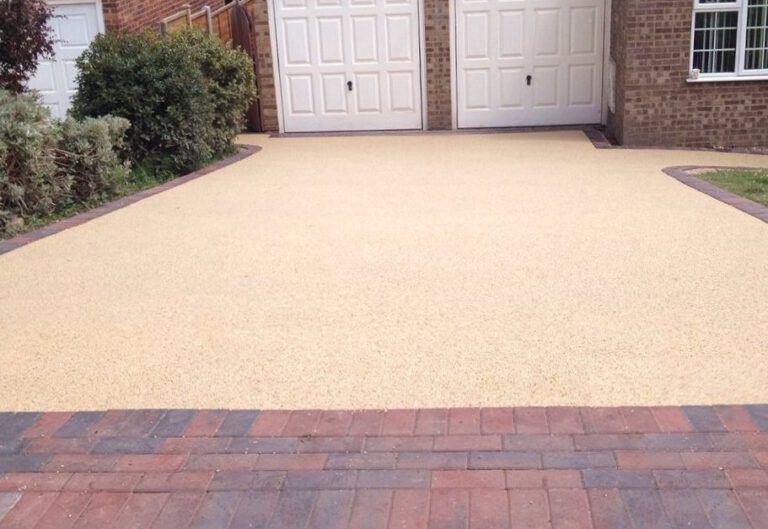
Resin overlays significantly enhance the appearance of tarmac, providing a seamless, smooth finish that effectively hides minor imperfections.
This innovative solution comes with several advantages:
- Custom Designs: Select from a diverse range of colours and decorative aggregate blends to create unique aesthetics that boost your property’s appeal.
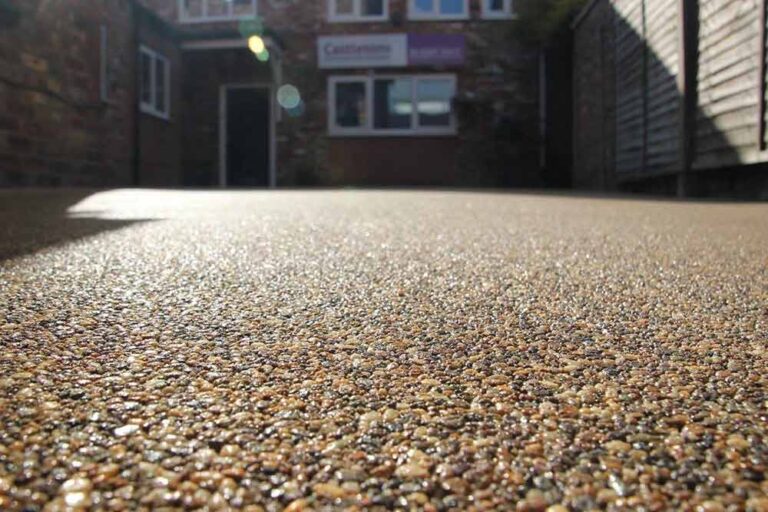
- Uniform Texture: Enjoy a consistent surface without loose stones, resembling high-quality paving while retaining a natural aggregate look.
- Colour Stability: Take advantage of UV-stable resin systems that resist yellowing and fading, ensuring long-lasting visual appeal.
Long-term Durability Expectations
When looking for a durable surfacing option, resin overlays are a standout choice, lasting significantly longer than traditional tarmac.
With proper installation and maintenance, you can expect a lifespan of 15 to 25 years from resin, compared to tarmac’s usual 10 to 15 years. High-quality resin systems can even last longer, especially in the varied UK climate.
The durability of resin overlays comes from their flexible composition, which helps reduce cracking, and their UV-stable resin, which resists fading.
Regular maintenance can boost their lifespan beyond 20 years. Given their superior performance and low upkeep compared to tarmac, resin overlays represent a valuable long-term investment for your property.
Maintenance Requirements for Resin Driveways

To ensure your resin driveway remains in top condition and looks great, regular maintenance is key. Stick to these straightforward practices:
1. Routine Cleaning: Sweep your driveway weekly or every two weeks to keep debris and moss at bay.
For a deeper clean, use pH-neutral or biodegradable products every 6 to 12 months.
2. Stain Management: Deal with spills quickly using appropriate degreasers and warm soapy water to prevent lasting stains.
For tough stains, you might need to hire a professional or use a cleaner specifically designed for resin.
3. Weed Control: Keep an eye out for weeds or moss and treat them promptly with selective weed-killers.
Avoid using harsh abrasives that could harm the surface.
Cost Savings and Practical Benefits of Overlaying

Applying a resin overlay to existing tarmac can provide substantial cost savings and practical advantages for homeowners. Choosing an overlay helps you bypass the hefty expenses of a complete base replacement, which often involves extensive groundwork and lengthy project durations. Here’s a quick cost comparison:
| Element | Cost (per m²) |
|---|---|
| Resin-bound overlay material | £40–£78 |
| Tarmac material | £44–£107 |
| Complete resin overlay installation | £50–£100 |
| Full-project resin installation | ~£3,000 |
| Block paving installation | £3,000–£7,000 |
With quicker installation times and minimal disruption, opting for an overlay not only reduces immediate costs but also cuts long-term maintenance expenses, adding to your property’s overall value.
Regulatory Considerations in Nottingham

Before starting the installation of a resin overlay in Nottingham, it’s essential to understand the local regulatory requirements. This will help you avoid any compliance issues.
Here are the key points to consider:
- Licensing: You must obtain a Section 50 Licence for any utility works and liaise with Nottingham City Council regarding any highway activities.
- Overlay Standards: Ensure that your resin overlay complies with the minimum thickness standards, especially in high-traffic areas, and adhere to the guidelines set by the Highway Authority.
- Traffic Management: A Temporary Traffic Regulation Order (TTRO) is necessary to implement any parking restrictions during the installation process.
Drainage Requirements and SUDS Compliance
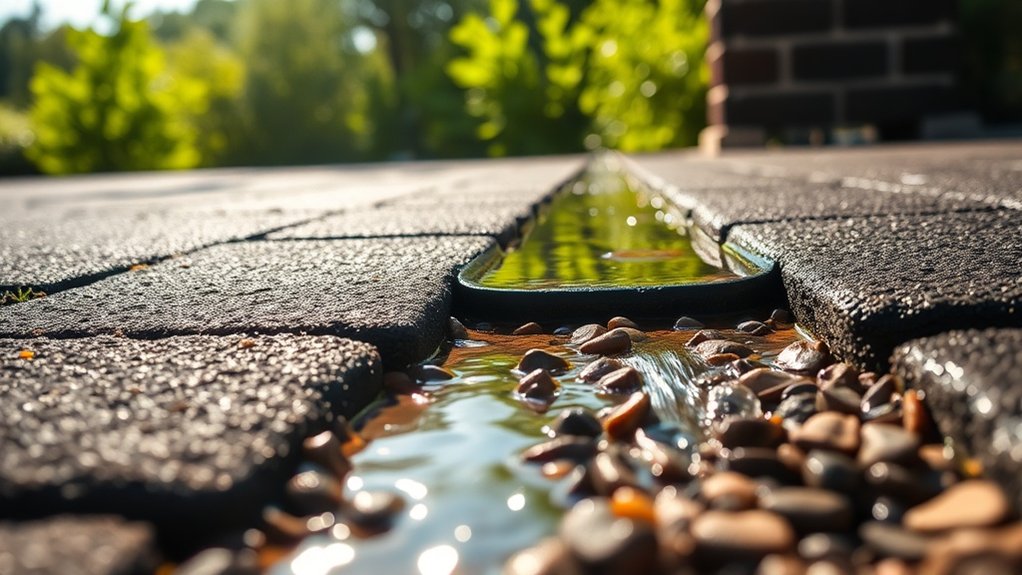
Understanding drainage requirements and SUDS compliance is vital for ensuring your resin driveway installation is effective and durable.
Your driveway must have a permeable base to allow water to drain away, which helps prevent pooling and reduces the risk of flooding. SUDS regulations, under the Flood and Water Management Act, require that your surface effectively handles rainwater runoff.
To improve water management, consider adding drainage solutions like channel drains, soakaways, or French drains, especially if you live in an area with heavy rainfall.
Proper preparation of the sub-base is essential to keep your resin system flexible and compliant with SUDS standards, allowing for natural water infiltration and easing the burden on urban drainage systems.
This not only safeguards your property from potential flooding but also meets environmental guidelines.
Choosing the Right Installer for Your Project
How can you ensure your resin driveway installation meets your expectations? Choosing the right installer is crucial. Here are three essential factors to consider:
- Installer Credentials: Check their public liability insurance, trade association memberships, and any manufacturer certifications. This ensures they adhere to industry standards and quality practices.
- Experience and Portfolio: Look at their portfolio for similar projects in your area, such as Nottinghamshire. Client references can offer valuable insights into their reliability and performance.
- Technical Process Transparency: Ask for a written method statement detailing surface preparation, materials, and curing recommendations. This ensures the project timeline aligns with your expectations.
Frequently Asked Questions
How Long Does Resin Overlay Last on Tarmac Surfaces?
A resin overlay on tarmac surfaces generally lasts between 15 to 25 years, depending on the quality of the resin and how well the tarmac is maintained. For instance, regular cleaning and prompt repairs can significantly extend its lifespan. By taking good care of it, you can ensure your investment performs well and lasts as long as possible.
Can I Install Resin Myself, or Should I Hire a Professional?
You can try installing resin yourself, but hiring a professional ensures proper preparation and reduces risks. While DIY may save you money, professionals bring expertise that guarantees a durable finish, helping you avoid costly mistakes and ensuring compliance with regulations. For instance, a professional can ensure the surface is adequately prepared, which is crucial for a long-lasting result.
What Colors and Finishes Are Available for Resin Overlays?
You have a wide range of colour options, including solid shades and metallic finishes. The available finishes include gloss and satin, along with anti-slip textures for safety. Custom patterns and aggregates can enhance the look, ensuring your resin overlay meets both practical and aesthetic needs.
Is There a Warranty for Resin Overlay Installations?
Yes, resin overlay installations come with warranties that typically range from 1 to 10 years, depending on the specific terms and installation standards. It’s crucial to ensure that the substrate is properly prepared and to adhere to maintenance guidelines to ensure your warranty remains valid. For example, if you neglect to clean the surface regularly, it could affect your warranty claims.
How Does Weather Affect the Resin Curing Process?
Weather significantly affects resin curing. Changes in temperature can speed up or slow down the process, while high humidity can impede evaporation and lead to imperfections. For instance, if it’s too warm, the resin may cure too quickly, resulting in bubbles. On the other hand, working in a damp environment can cause the surface to remain tacky. To achieve the best results, it’s essential to maintain stable conditions to ensure proper curing and avoid defects in your resin project.
Conclusion
In summary, applying resin over existing tarmac in Nottingham can create a robust and attractive surface. With the right preparation and materials, you’ll achieve a durable finish that lasts. Hiring a qualified installer ensures compliance with local regulations and drainage standards. So, why not upgrade your tarmac into a striking and practical space that improves both appearance and usability?
Are you thinking about installing a resin driveway but are unsure of the cost involved? You're not alone! Resin driveways Read more
Resin driveways, such as the ones offered by Nottinghamshire Driveways, are a popular choice for homeowners looking to enhance the appearance Read more

Are you considering a new driveway installation? Resin driveways have become increasingly popular for their attractiveness, durability, and low maintenance. But Read more